A multi-generational retreat can be one of the most rewarding purchases you make, but in Watch Hill, it also asks for clear-eyed planning. You may be balancing privacy for grandparents, easy beach days for children, arrival logistics for out-of-town relatives, and the long-term upkeep of a coastal property. The good news is that Watch Hill offers a rare mix of village charm, walkability, and legacy-home appeal when you buy with the right strategy. Let’s dive in.
Why Watch Hill Fits Family Retreats
Watch Hill works well for extended-family use because the village is compact and easy to experience on foot. The Watch Hill Fire District notes that the village is less than a mile end to end, and the town highlights its beaches, shops, restaurants, lighthouse, and historic carousel. For a family retreat, that means daily life can feel more connected and less car-dependent.
That compact layout also raises the stakes on location. In a place this small, the exact block, parking pattern, and route to the beach can shape how comfortably several generations use the home. A beautiful property may still feel less practical if access is awkward for older guests, small children, or visitors arriving at different times.
Travel access adds to the appeal. Westerly has an Amtrak station on Railroad Avenue and Westerly State Airport on Airport Road, giving family members more than one way to reach the area. If your goal is a repeat gathering place rather than a one-season purchase, that flexibility matters.
Start With How Your Family Will Use It
Before you focus on style or frontage, define how your family will actually live in the home. A multi-generational purchase usually succeeds when the layout already supports your routines, rather than relying on major changes after closing. In Watch Hill, that is especially important because zoning, historic context, and coastal conditions can limit what is easy to add later.
Think through the basics first:
- How many people will stay overnight at peak times
- Whether first-floor bedrooms are important
- How much separation different households want
- How many vehicles may be on site during summer weekends
- Whether beach access or boating access is part of daily use
- How much ongoing maintenance your family wants to manage
When you answer those questions early, the search becomes much clearer. You can quickly tell whether you need one large home, a house with an attached family suite, or two nearby properties that function together.
Compare the Main Property Setups
Single Legacy Estate
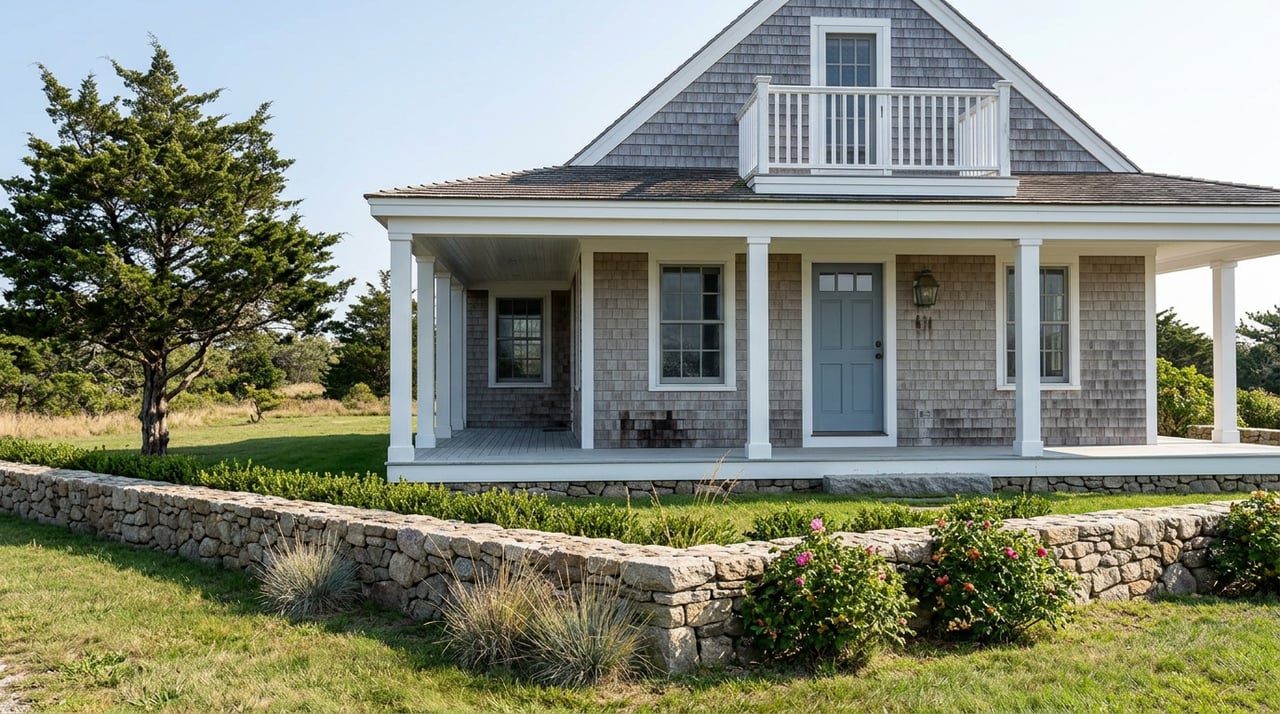
Watch Hill’s Low-Density Residential 43 zoning is intended for large single-family homes on large lots. The district is served by municipal water but not municipal sewers, and it requires a minimum one-acre lot size intended to preserve neighborhood character. That framework supports the kind of legacy homes many buyers picture for a long-term family retreat.
A single estate can be the simplest choice for togetherness. Everyone shares one address, one central gathering space, and one landscape plan. It often works best when your priority is keeping the family under one roof with the least site complexity.
The tradeoff is that all systems, maintenance, and circulation challenges are concentrated in one structure. Bedroom placement, first-floor living options, parking, and wastewater capacity should be part of your early diligence. Those are not small details in a house that may host several generations at once.
Attached Family Suite
Westerly allows accessory family dwelling units in residential districts, but only one per lot, and that unit must be within or attached to the primary dwelling. The property still needs to read as a single-family home. In practical terms, an internal suite or attached wing is often a cleaner fit than assuming you can freely add a detached guest cottage.
For many families, this is the sweet spot. You gain more privacy for guests, adult children, or older relatives while keeping one legal lot and one main house form. It can create breathing room without the full carrying cost of a second property.
This option still requires careful review of the existing layout and any future plans. Accessory structures are limited by size and setback rules, so it is smart to treat any expansion idea as a code and design question from the start.
Nearby Homes as a Compound
In Watch Hill, a true compound is often more realistic as two nearby properties rather than one heavily reworked parcel. That conclusion follows from the area’s large-lot zoning pattern, accessory-dwelling rules, and the village’s limited parking and access infrastructure. If your family values privacy above all else, this setup can be attractive.
It also comes with more complexity. Two homes usually mean more roofs, more systems, more seasonal preparation, and more ongoing upkeep. Carrying costs may rise, and parking, drop-off, and beach logistics need more planning.
Here is a simple comparison:
Setup | Best For | Main Tradeoff |
|---|---|---|
Single legacy estate | Keeping everyone together | One large home to maintain |
Attached suite | Privacy within one property | Expansion options may be limited |
Nearby homes | Flexibility and separation | Higher carrying cost and more upkeep |
Beach Access Should Shape Your Search
In Watch Hill, shoreline access is not just about views. It is shaped by public rights-of-way, fee structures, conservation rules, and how far your group is willing to walk. For a multi-generational buyer, that makes beach logistics part of the buying decision, not a detail to sort out later.
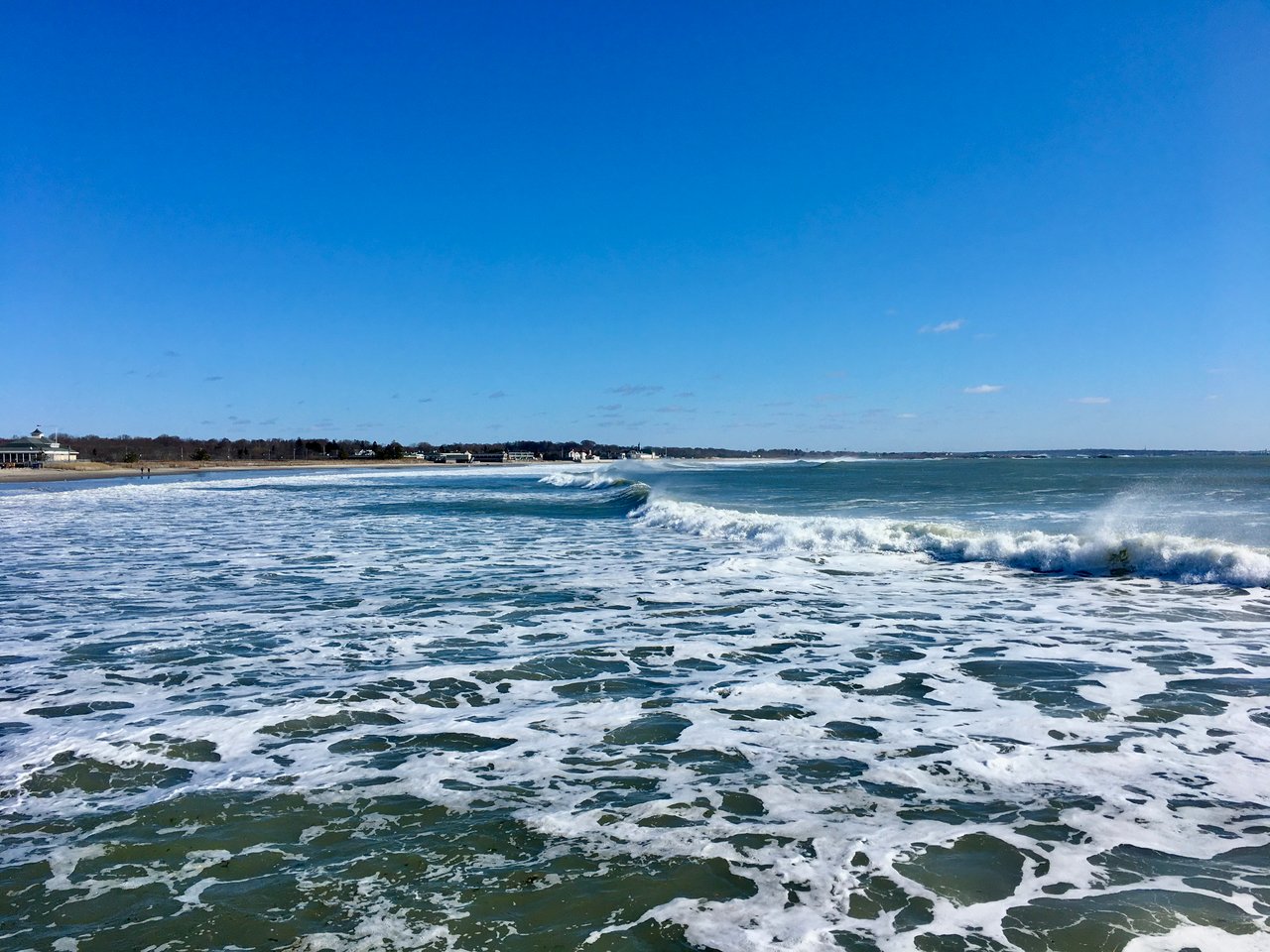
Watch Hill Beach has a public right-of-way from Bluff Avenue along a footpath to the beach east of the lighthouse. The town plan also notes a beach with bathhouses next to the carousel that is open to the public but fee-based for non-Fire District guests. East Beach extends from the lighthouse toward Misquamicut, but the town plan says it has no amenities or lifeguards.
Napatree Point adds another layer to the lifestyle. It offers a mile-long walk with dunes and designated trails, while also operating as a conservation area with posted rules to protect dunes, vegetation, and wildlife. That setting is part of Watch Hill’s appeal, but it also means some outings will be better suited to certain ages and mobility levels than others.
If your family plans to spend most days on the sand, look closely at how the house connects to your preferred beach experience. A home that is ideal for adults who enjoy walking may not be the same one that works best for grandparents, strollers, and beach gear.
Parking and Walkability Matter More Than You Think
Parking can shape the feel of every summer weekend. The Watch Hill Fire District says the Bay Street lot is free for residents and visitors but has a summer two-hour limit and does not allow beach or boater parking. The Larkin lot offers a central drop-off and turnaround area, restrooms, bike racks, and paid parking after a short grace period.
Because the village is so compact, walkability can help offset some of that pressure. Still, if you expect a rotating cast of houseguests, parking at the property itself becomes a major convenience factor. This is especially true for homes hosting older relatives, children, or visitors arriving separately.
When you tour properties, pay attention to more than bedroom count. Ask how easy it will be for multiple cars to arrive, unload, turn around, and leave without stress. A retreat should feel generous in motion, not just generous on paper.
Boating Requires Early Planning
If boating is part of your family’s use case, treat it as a managed-access question. Westerly requires all moorings to be registered annually, and the harbor management plan identifies Watch Hill Cove as the town’s only Type 5 commercial-and-recreational harbor area. In other words, access to the water is structured and regulated.
That does not make boating unrealistic. It simply means you should evaluate mooring and dock logistics early in the process. A property’s relationship to boating may depend as much on harbor rules and practical access as on its map location.
Historic Character Can Affect Renovation Plans
Many Watch Hill buyers are drawn to historic coastal homes, and for good reason. The village has a strong architectural identity that gives the area much of its enduring appeal. If you are buying with renovation in mind, that same character deserves careful attention.
The Watch Hill Historic District is listed in Rhode Island’s National Register, and Westerly’s Shore Commercial-Watch Hill zoning says existing structures and streetscape character should be preserved, with new construction compatible with existing architecture. If your plan involves reworking circulation, adding guest space, or changing exterior elements, compatibility may be part of the conversation.
This is one reason the best multi-generational purchases are often the homes that already fit your needs reasonably well. When the basic layout, privacy pattern, and access already make sense, you can spend less energy trying to force a complicated redesign.
Budget for Coastal Ownership Realistically
A Watch Hill retreat should be viewed as a coastal asset, not simply a larger second home. Westerly’s coastal-erosion information notes that shoreline change can happen gradually over time or very quickly after strong tides, heavy winds, or large waves. The town’s hazard plan also says all of Westerly’s waters are susceptible to flood-zone and velocity-zone hazards.
For certain projects in special flood hazard areas, the building department requires elevation certificates for new construction, demolition and rebuilding, and substantial improvements. Those requirements matter if you are buying with a major long-term improvement plan in mind. They also reinforce the importance of understanding carrying costs from the start.
For many buyers, the smartest approach is to prioritize properties that already align with the way the family wants to live. That often means fewer surprises, more predictable ownership, and a retreat that begins working well from the first season.
What a Smart Search Looks Like
In Watch Hill, a successful multi-generational purchase usually comes down to four things working together: layout, privacy, access, and resiliency. The right property is rarely just the largest one or the closest one to the water. It is the one that supports how your family gathers, moves, and returns year after year.
A thoughtful search often focuses on:
- Existing first-floor sleeping options
- Clear separation between guest areas and shared spaces
- Practical on-site parking and drop-off flow
- Realistic beach access for your family’s ages and routines
- Manageable renovation needs within the local context
- A long-term plan for coastal maintenance and upkeep
That kind of planning tends to protect both enjoyment and value. In a place as distinct as Watch Hill, those two goals are closely connected.
If you are weighing a retreat purchase here, a discreet local perspective can help you narrow the field quickly and avoid costly assumptions. Geb Masterson offers private buyer representation grounded in Watch Hill knowledge, thoughtful property evaluation, and a relationship-first approach to coastal ownership decisions.
FAQs
What makes Watch Hill appealing for a multi-generational retreat purchase?
- Watch Hill offers a compact village setting, beach access, walkability, and multiple travel options through Westerly’s Amtrak station and local airport, which can make repeat family gatherings easier to manage.
What property type works best for extended-family use in Watch Hill?
- The best fit depends on your family’s priorities, but common options include a single legacy estate, a home with an attached family suite, or two nearby homes used together for more privacy and flexibility.
What should buyers know about accessory family dwelling units in Watch Hill?
- Westerly allows one accessory family dwelling unit per lot in residential districts, and it must be within or attached to the main home so the property still reads as a single-family residence.
How does beach access affect a Watch Hill retreat purchase?
- Beach access in Watch Hill depends on rights-of-way, amenities, fee structures, and conservation rules, so the most useful property is often the one that matches how your family will actually spend beach days.
Why is parking important when buying a family home in Watch Hill?
- Because the village is compact and public parking has time limits and use restrictions in some areas, on-site parking and easy drop-off can make a big difference for guests, children, and older relatives.
What should buyers consider if boating is part of the plan in Watch Hill?
- Buyers should evaluate mooring and harbor logistics early, since Westerly requires annual mooring registration and treats Watch Hill Cove as a managed commercial-and-recreational harbor area.
How can historic and coastal rules affect a Watch Hill property purchase?
- Historic compatibility standards, flood-zone considerations, erosion exposure, and building requirements for certain improvements can all affect renovation plans, timelines, and long-term carrying costs.