Choosing between Mystic and Stonington in Connecticut or Watch Hill and Westerly in Rhode Island can feel like choosing between two great versions of the same dream. You want the right mix of character, access, and long-term value without surprises at closing. In this guide, you’ll compare inventory, closing customs, rentals, insurance, and lifestyle details across both shores so you can buy with confidence. Let’s dive in.
Market snapshot: what you’ll find
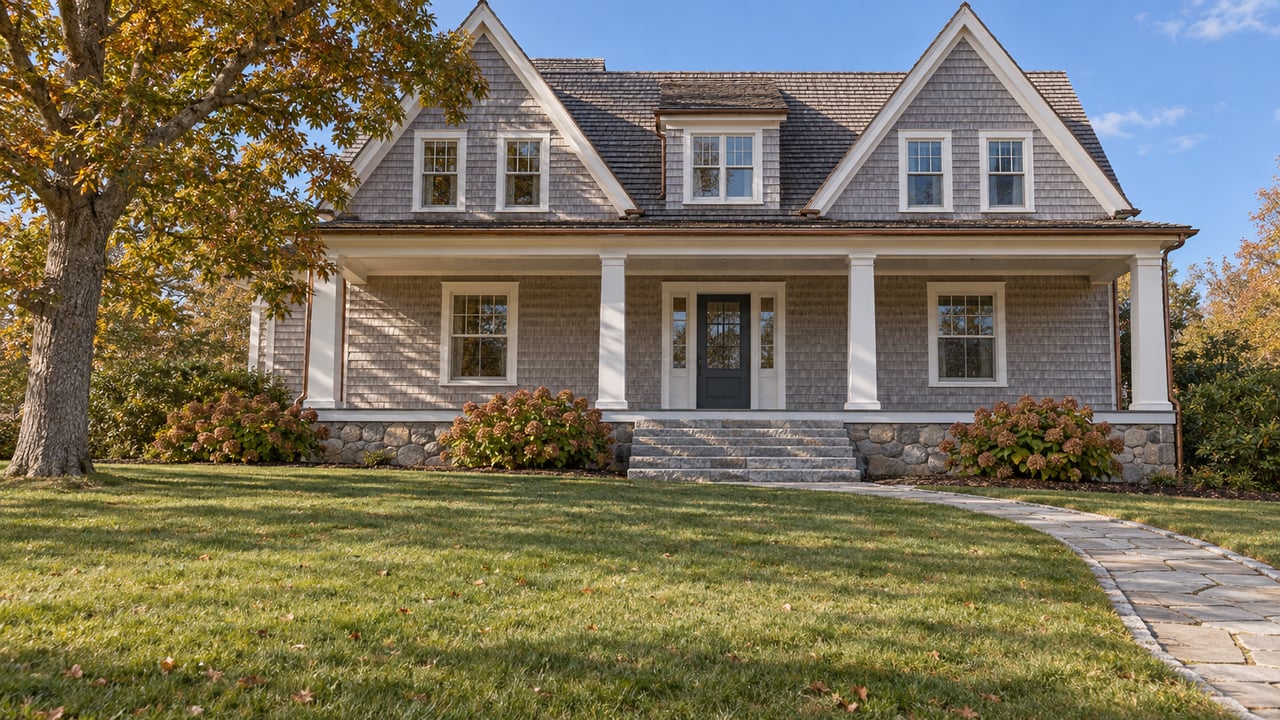
Both coasts offer waterfront single-family homes, historic village houses, cottage or shoreline condos, and inland properties. Mystic and Stonington lean historic and walkable, with many “character” homes near the village and seaport. Southern Rhode Island blends high-end estate lots in Watch Hill with seasonal cottages and wider beach neighborhoods in Westerly.
Expect higher price premiums in central Mystic, Stonington Point, and Watch Hill compared with outlying Connecticut shoreline towns or inland New London ZIPs. Watch Hill often sits at the top end of the southern Rhode Island market. New London area ZIPs, including 06378, can offer more affordable entry points and convenient rail and ferry access.
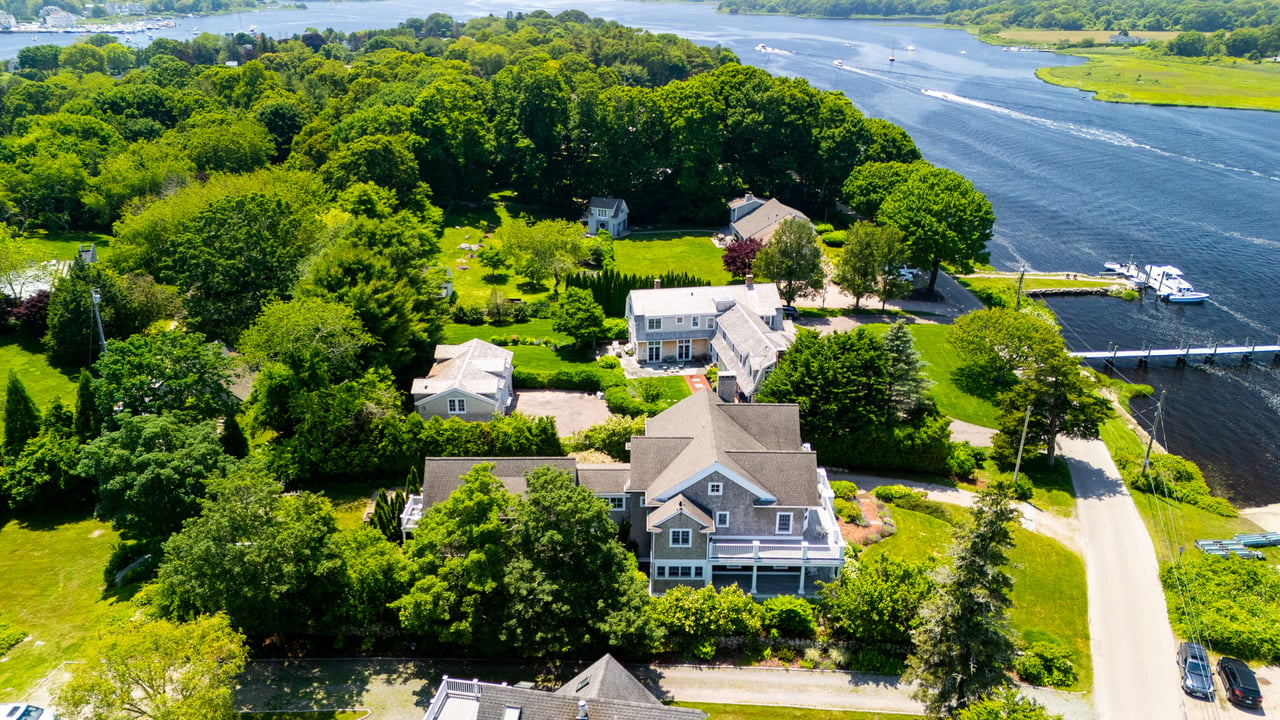
True waterfront with private beach or dock is far rarer and more expensive than a simple water view. Near the shore, lot sizes are often small and some areas rely on septic and well systems instead of full municipal sewer. In Stonington village, historic district rules can shape renovation plans and permitted uses.
Closing customs: CT vs RI
Both states commonly involve attorneys and title or escrow companies at closing. Local practice can differ by town, so plan to hire a seasoned local real estate attorney or title agent early.
A typical negotiated close runs about 30 to 60 days, though coastal competition can shorten timelines or lead to waived contingencies. Confirm who will hold your earnest money, since deposits may be held by a broker, attorney, or title company depending on local custom.
Inspections are standard. For coastal properties, prioritize septic system checks, well water testing, and structural reviews for shoreline elements like bulkheads or pilings. A boundary survey is often recommended for waterfront lots because shoreline measurements and riparian rights can be contested.
Title insurance is widely recommended in both states. Ask your attorney to review historical easements, rights of way to beaches, recorded restrictions, and any beach association rules and fees. Transfer taxes, recording charges, and who pays which fee can vary by municipality, so have your closing attorney map out exact costs. Property tax rates can materially affect carrying costs, so review the local mill rate with the town assessor.
Financing and appraisals
Appraisers in small, seasonal markets work with limited comparable sales, especially for unique waterfront homes. That can influence loan approvals and valuations. Some lenders set additional requirements for coastal properties, including flood and wind coverage, minimum elevations, or proof of an elevation certificate. Build extra time into your financing for these reviews.
Rentals and seasonality
Buyer activity on the shoreline typically peaks from late spring through early fall. Showings surge in spring and again in late summer. Winter is quieter, and some buyers find negotiation room with motivated sellers.
Short-term rental demand is strong in Mystic, Stonington, Westerly, and Watch Hill, but rules vary by town. Many municipalities now require registration or permits, set occupancy limits, and assess lodging or sales taxes. If rentals are part of your plan, verify current local ordinances and tax requirements before you make an offer.
Insurance and coastal risk
Coastal homes face flood, storm surge, and wind exposure. Your insurance package may include a standard homeowner policy, flood insurance through the NFIP or a private carrier if the property is in a FEMA flood zone, and wind or hurricane coverage or deductibles. An elevation certificate and a review of FEMA flood maps can clarify coverage needs and costs.
Underwriting is paying closer attention to sea level trends and long-term resilience. Work with an insurance broker who understands coastal coverage in both Connecticut and Rhode Island so you can compare quotes and policy features early in your search.
Permitting and shoreline work
If you plan a renovation that touches the shoreline, your permitting path will differ by state. In Connecticut, the Department of Energy and Environmental Protection plays a central role. In Rhode Island, you will work with the Coastal Resources Management Council. Municipal zoning and harbor authorities can also be involved. Wetland setbacks, dune rules, and dock approvals can affect both design and timeline, so get clarity before you commit to a property.
Access, culture, and daily life
New London area communities benefit from strong rail links and ferry service, which can make part-time commuting to New York or Boston more feasible. Westerly also has an Amtrak stop, though ferry access differs by town. Proximity to I‑95 matters, and small peninsulas or island coves can add summer driving time.
Mystic and Stonington offer lively village cores with dining, boutiques, and cultural draws like the seaport and aquarium. In southern Rhode Island, Watch Hill has a refined, resort-style feel with an intimate commercial district, while broader Westerly features public ocean beaches, state parks, and family-oriented shore neighborhoods. Both coasts support active boating, but moorings and private dock approvals vary by municipality and can involve waitlists.
If you plan longer stays or a full-time move, review local school districts and municipal services in a neutral, factual way. Also consider year-round access to dining, healthcare, and groceries. Mystic and Stonington concentrate more activity within walking distance of their village centers, while some southern Rhode Island pockets are quieter and require short drives for services.
Cost of ownership
Second homes near the ocean carry extra upkeep. Budget for winterizing, vacant-home security, and hurricane preparation. Salt air accelerates exterior wear, and shoreline elements like bulkheads or erosion control require ongoing attention.
Confirm utilities and municipal charges, including sewer connection or assessments, trash, and snow removal. Ask sellers about any beach association dues and what they cover. Review annual property tax bills and trends with each town’s assessor.
Quick checklist for cross-state shoppers
- Market and financial
- Review current MLS inventory and neighborhood-level comparable sales.
- Pull property tax bills, mill rates, and any special assessments.
- Confirm short-term rental availability, required permits, and local taxes.
- Transactional
- Clarify who holds earnest money and typical fee allocations.
- Map the closing timeline with your lender’s coastal requirements.
- Property condition and title
- Verify flood zone, elevation certificate, and recent survey.
- Inspect septic or confirm sewer status; request shoreline maintenance records.
- Review deed restrictions, beach association covenants, and any easements.
- Insurance and long-term risk
- Obtain quotes for homeowner, flood, and wind or hurricane policies from coastal-savvy brokers.
- Ask about local resilience plans that could affect long-term value.
- Lifestyle fit
- Check marina and mooring waitlists, healthcare proximity, and peak season traffic.
- Confirm zoning rules for rentals, accessory dwellings, or major renovations.
Which coast fits you
If you want village charm, walkability, and year-round dining, Mystic or Stonington may be your fit. If you prefer estate-scale properties, private-feeling beaches, and a resort-like setting, Watch Hill or nearby Westerly communities may align better. If commute convenience and value are priorities, properties closer to New London rail and ferry service can make sense.
The good news is that both coasts offer rare waterfront experiences and strong long-term appeal. With the right local guidance on inventory, rules, and risk, you can choose the shore that supports how you plan to live, host, and enjoy the water.
Ready to compare properties on both sides of the line with a single, trusted advisor? Connect with Geb Masterson for a private, concierge conversation.
FAQs
What home types differ most between Mystic/Stonington and Watch Hill/Westerly?
- Mystic and Stonington lean historic and walkable near the village, while Watch Hill and Westerly mix luxury estate lots with seasonal cottages and broader beach neighborhoods.
How do CT and RI closing timelines typically compare for shoreline homes?
- Both states often close in about 30 to 60 days, but competitive coastal deals may tighten contingencies or timelines based on local custom and lender needs.
What should I check before running a short-term rental in Stonington or Westerly?
- Verify the town’s current registration or permit rules, occupancy limits, required inspections, and applicable lodging or sales taxes before you buy.
How does flood insurance work for coastal homes in CT and RI?
- If the home sits in a FEMA-designated flood zone, lenders usually require flood insurance through the NFIP or a private carrier, often supported by an elevation certificate.
Is the New London area a good base for part-time commuting to New York or Boston?
- Yes, regional rail service and local ferries improve access, and that convenience can be a deciding factor for second-home owners who travel frequently.