If you are thinking about buying a beach property that can work hard during the summer, Misquamicut deserves a close look. This stretch of Westerly’s shoreline draws heavy seasonal traffic, strong beach demand, and a visitor base that often comes from out of state. If you want to understand what drives rental performance here, what to watch in nearby beach markets, and where regulations can affect your numbers, this guide will help you sort through it. Let’s dive in.
Why Misquamicut draws seasonal demand
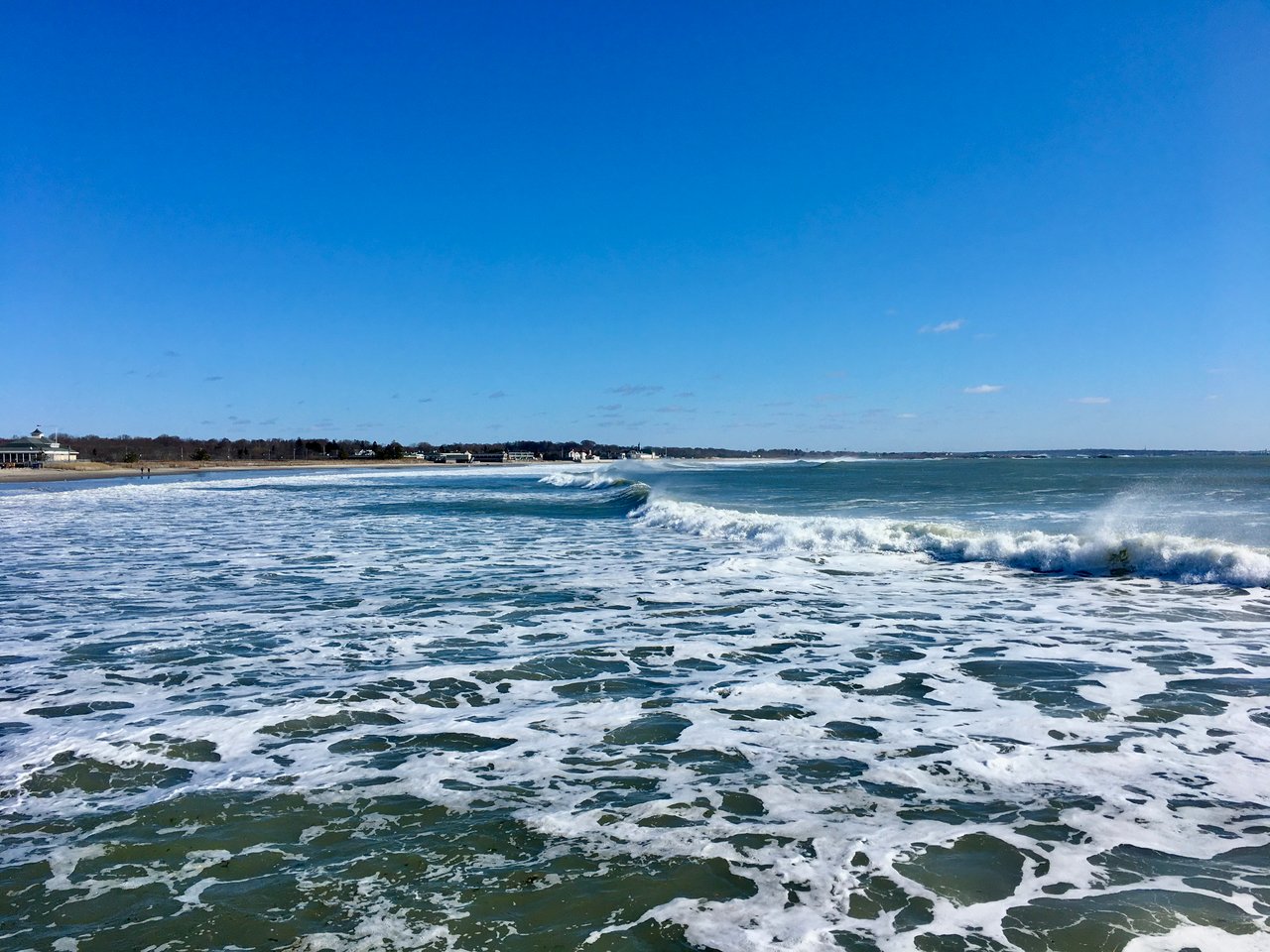
Misquamicut sits in one of Westerly’s most tourism-focused beach corridors. The Town of Westerly describes Misquamicut State Beach as one of New England’s most popular beaches, with a modern pavilion, concessions, outdoor showers, composting toilets, and seasonal lifeguards.
That popularity is backed by meaningful visitor volume. According to Rhode Island’s parks economic-impact reporting, Misquamicut State Beach generated the largest beach-site impact in the state system, with 343,318 visitors spending $44.1 million, and 76.8% of those visitors coming from out of state, as reported by Rhode Island State Parks.
For you as an investor, that matters because it points to a summer-driven overnight market, not simply a year-round local housing pattern. Demand here is closely tied to beach season, visitor access, and how easy your property makes a beach trip feel.
What the rental data suggests
Westerly’s recent housing market study found 286 active short-term rentals in early 2024. That same study reported an average daily rate of $458, an occupancy rate of 47.3%, and average annual revenue of about $86,800 across the short-term rental market, according to Rhode Island Housing’s Westerly study.
The same report found that 58.7% of Westerly short-term rentals were year-round listings, while 41.3% operated as seasonal rentals. In a market like Misquamicut, those figures suggest you should think carefully about your operating model. Some properties may justify a seasonal focus, while others may perform better with a broader calendar if the home and location support it.
It is also fair to expect that many Misquamicut guests are summer vacationers, family groups, and out-of-state visitors looking for beach access first. That pattern is an inference from the area’s visitor profile and the beach’s amenity set, not a guarantee for every property.
Why convenience can shape income
In Misquamicut, convenience is not a minor detail. It is often part of the product you are selling.
The beach itself offers features that support short stays and family trips, including a pavilion, playground, accessible beach wheelchairs, indoor and outdoor showers, EV charging, food concessions, and a nearby kayak launch, according to the official Misquamicut State Beach page. Those amenities help explain why visitors are drawn here, but they also raise the bar for nearby rentals.
If your property removes friction from the guest experience, it may stand out more clearly during peak season. The best-supported examples include:
- Off-street parking
- Easy beach access
- Outdoor shower or rinse-off space
- Practical sleeping capacity for families or small groups
- Clear house instructions about parking, trash, and beach rules
These features matter because Rhode Island State Parks notes that beach lots can reach capacity on crowded days, especially around holiday periods, as outlined on the statewide beaches information page. A home that helps guests avoid parking headaches can be more appealing than one that looks similar on paper.
Seasonality is the business model
If you invest in Misquamicut, seasonality is not just a background factor. It is central to underwriting, pricing, and operations.
Rhode Island State Parks says more than 1 million patrons visit state beaches between Memorial Day and Labor Day each year, and the state has identified Independence Day week as a typical peak period, according to Rhode Island State Parks. That concentration tells you a large share of demand is packed into a relatively short calendar window.
The state also notes that beach parking passes are first-come, first-served and do not guarantee admission. On high-capacity days, lots may close to prevent overcrowding, which can affect arrival patterns and traffic flow for your guests, as noted on the official beach access and pass information.
There is also a transportation wrinkle to watch. The research report notes a 2026 parking-lot entrance project intended to expand entry lanes from three to eight, which may influence traffic flow and opening timelines during that period. For an owner, that means guest communication and planning can be just as important as pricing strategy.
Westerly rules you need to know
Before you focus on revenue, start with compliance. In beach markets, the cleanest operations often hold value best over time.
Westerly defines a residential-zone short-term rental as occupancy or use for fewer than 28 consecutive calendar days, and the town requires annual registration, according to the official Westerly short-term rental registration page. The town also directs owners to local ordinances covering litter, noise, off-street parking, peace and good order, and solid waste.
That matters in Misquamicut because beach neighborhoods are active, dense, and highly seasonal. If you own here, guest behavior, parking logistics, and trash management are not side issues. They are part of responsible operation.
Rhode Island taxes can change your math
Taxes are another major piece of the investment picture. If you are analyzing projected income, make sure your assumptions reflect the current rules.
The Rhode Island Division of Taxation says that for whole-home rentals of 30 days or less, the total tax is now 14%, made up of 7% sales tax, a 5% whole-home short-term rental tax, and a 2% local hotel tax, based on the 2026 Rhode Island tax notice. The notice also states that the tax is based on the date of occupancy rather than the booking date, and hotel tax filings are monthly.
For you, this means gross income and net income are very different conversations. Any serious purchase analysis should account for taxes, registration, cleaning, maintenance, and local operational support before you assume a property is a strong performer.
How nearby beaches compare
Misquamicut does not operate in a vacuum. Nearby beach settings help explain how guests think about access, parking, and value.
Within Westerly, the Misquamicut Fire District beaches page shows a schedule built around seasonal use, with weekend openings beginning in late May and daily openings running from June 19 through Labor Day for 2026. That reinforces the area’s concentrated summer rhythm.
Watch Hill offers a different experience. The Watch Hill Fire District parking page outlines limited-duration village parking, designated Westerly-resident spaces, and seasonal parking options, all within a more premium and parking-constrained setting. For a rental investor, that comparison helps clarify how much walkability and parking convenience can influence demand.
Narragansett is another useful benchmark because it combines strong beach appeal with tighter rules. The town describes Narragansett Town Beach as a 19-acre beach with about 1,000 parking spaces, concessions, and seasonal passes for residents and taxpayers only, while nonresidents are largely directed to the West Lot. It is a reminder that public access systems, parking design, and local rules all shape the guest experience.
Why Narragansett is a cautionary contrast
If you are also looking beyond Westerly, Narragansett deserves attention because its short-term rental structure is much more layered.
Town materials state that Narragansett’s short-term rental ordinance applies to rentals under 30 days, includes a minimum seven-day stay, and requires a permit, annual renewal, and proof of at least $1 million in general liability insurance, according to the town’s short-term and regular rental Q&A. The same materials say owners must have a local representative available 24 hours a day who can respond within one hour, and the ordinance prohibits events such as weddings, banquets, bachelor or bachelorette parties, and corporate events.
The town has also outlined permit caps and fees in its short-term rental ordinance materials. While the research report notes that litigation has delayed full implementation, the key takeaway is simple: nearby markets can carry very different regulatory risk.
That contrast helps make Westerly feel comparatively straightforward on paper. Even so, straightforward does not mean casual. In any beach community, compliance should be treated as part of the investment strategy from day one.
What to look for in a Misquamicut rental
If your goal is to invest wisely in Misquamicut or nearby beaches, focus on the fundamentals that support seasonal demand rather than chasing broad assumptions.
A strong candidate will often offer:
- Reliable off-street parking
- A walkable or easy route to the beach
- Low-friction guest arrivals and departures
- Outdoor space that supports beach use, such as a rinse-off area
- A layout that fits family or small-group travel
- Clear operational planning for noise, trash, and turnover
In other words, the home should solve practical problems for summer guests. In a market built around beach access, the details that save time and reduce hassle can have an outsized effect on booking appeal.
A smart investment starts with local context
Seasonal rentals near Misquamicut can be compelling assets, but they work best when you understand what is really driving demand. This is a beach-first, summer-heavy market where convenience, access, compliance, and careful property selection all matter.
If you are weighing a purchase, comparing nearby beach submarkets, or considering how a coastal home might perform as a seasonal rental, a local, property-level view is essential. Geb Masterson offers a discreet, high-touch approach for buyers and sellers navigating the Watch Hill, Westerly, and nearby shoreline markets.
FAQs
What makes Misquamicut attractive for seasonal rental investing?
- Misquamicut benefits from very strong summer beach traffic, a high share of out-of-state visitors, and a beach amenity mix that supports short vacation stays.
What short-term rental rules apply in Westerly, Rhode Island?
- Westerly requires annual registration for short-term rentals in residential zones and defines them as occupancy or use for fewer than 28 consecutive calendar days.
What taxes apply to whole-home short-term rentals in Rhode Island?
- For many whole-home stays of 30 days or less, Rhode Island’s 2026 rules require a total 14% tax made up of sales tax, a whole-home short-term rental tax, and a local hotel tax.
What property features matter most for Misquamicut beach rentals?
- Off-street parking, easy beach access, rinse-off space, practical sleeping layout, and clear guest instructions are among the features most likely to support a smoother guest experience.
How is Narragansett different from Misquamicut for rental investors?
- Narragansett has a more restrictive short-term rental framework, including permit requirements, insurance standards, local representation rules, and permit caps, which can make operations more complex.
What should you evaluate before buying a seasonal rental near Misquamicut?
- You should review access to the beach, parking, operating rules, tax exposure, guest logistics, and how the property fits the area’s highly seasonal demand pattern.