One of the most frequent - and often underappreciated - conversations I have with homeowners in the Watch Hill real estate market revolves around equity. Many people know they “have equity,” but fewer stop to consider what that really means, how substantial it may be, and how it can be thoughtfully used as part of a longer-term plan.
Equity isn’t just a number on paper. In markets like Watch Hill, Weekapaug, and nearby shoreline communities, it’s often one of the most powerful financial tools homeowners possess.
How Home Equity Builds Over Time
Equity grows in two primary ways:
- As you pay down your mortgage
- As property values appreciate over time
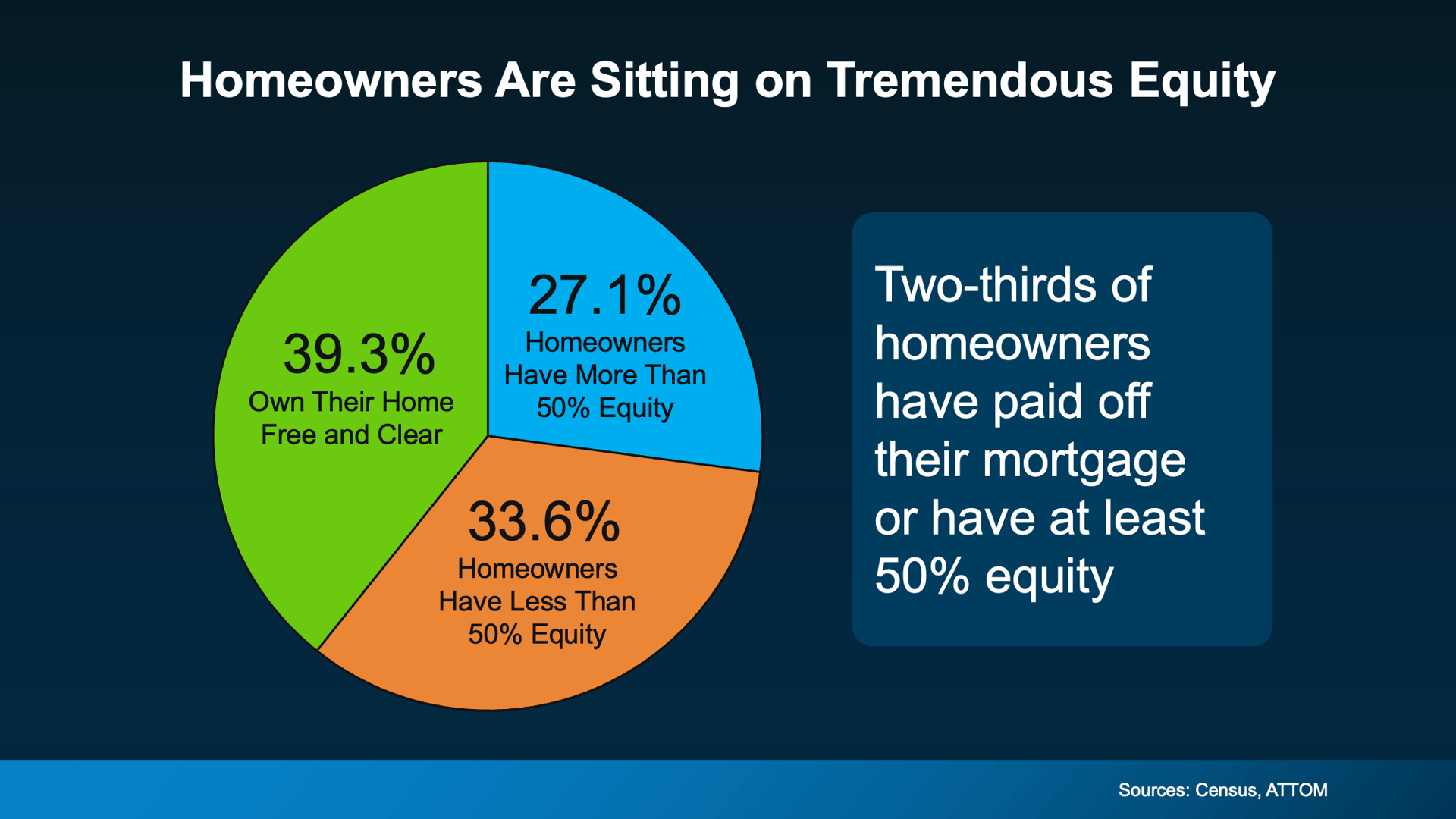
According to national data from the Census and ATTOM, nearly two-thirds of homeowners now have significant equity in their homes. Roughly 39% own their homes outright, and another 27% have at least 50% equity (see accompanying graphic).
Nationally, research from Cotality suggests the typical homeowner has close to $300,000 in equity today. In coastal luxury markets like Watch Hill, those numbers are often meaningfully higher, reflecting long-term ownership patterns, limited inventory, and sustained demand for waterfront and village-adjacent properties.
This is one of the reasons I often remind clients that Watch Hill real estate behaves differently than national averages. The fundamentals here - scarcity, lifestyle appeal, and multi-generational ownership - tend to amplify equity growth over time.
Four Practical Ways Homeowners Use Their Equity
1. Moving Into a Home That Better Fits Today’s Life
Life evolves. Families grow, children leave home, or priorities simply change. Many homeowners use accumulated equity as a down payment - or even to purchase outright - a home that better suits their current needs.
In Watch Hill, it’s not uncommon for homeowners to leverage equity from one property to secure another within the same community, allowing them to stay connected to the area they love while adjusting their footprint.
2. Reinvesting in the Home You Love
Not everyone wants to move - and equity doesn’t require that you do. Strategic reinvestment into kitchens, bathrooms, mechanical systems, or waterfront infrastructure can enhance both daily enjoyment and long-term value.
This is where working with an experienced real estate agent in Watch Hill matters. Not every renovation yields the same return, especially in a high-end market. Thoughtful guidance can help prioritize improvements that buyers consistently value when it comes time to sell.
3. Funding Major Life Goals
Equity can also support broader life goals: education, retirement planning, helping children with a first home, or even assisting the next generation in establishing roots near the places where they grew up.
I increasingly see families using equity strategically - not as speculation, but as a way to strengthen long-term family ties to the community.
4. Providing a Safety Net During Uncertain Times
Equity can also act as protection. Homeowners facing unexpected challenges often have options unavailable to those without equity, including selling with proceeds in hand rather than facing financial distress.
A Note on Responsible Equity Use
One lesson many homeowners learned during the 2008 housing crisis was the importance of maintaining a financial cushion. Today, data from the Intercontinental Exchange shows homeowners collectively hold $17.3 trillion in equity, with $11.2 trillion considered “tappable” while still maintaining at least 20% equity (see graphic).
That 20% threshold remains a prudent benchmark - and one most Watch Hill homeowners comfortably exceed.
The Bottom Line for Watch Hill Homeowners
Your home equity is one of your most significant financial assets. Whether you’re considering a move, a renovation, or simply planning ahead, it deserves thoughtful attention.
Because Watch Hill real estate often outperforms broader markets, understanding how your equity fits into your long-term plans can open doors you may not have considered.
If you’d like a personalized equity discussion, have questions about which improvements make sense, or want to explore future options, I’d welcome the conversation. Feedback and dialogue are always appreciated - and they’re how smart decisions begin.
The information contained, and the opinions expressed, in this article are not intended to be construed as investment advice. Geb Masterson does not guarantee or warrant the accuracy or completeness of the information or opinions contained herein. Nothing herein should be construed as investment advice. You should always conduct your own research and due diligence and obtain professional advice before making any investment decision. Geb Masterson will not be liable for any loss or damage caused by your reliance on the information or opinions contained herein.