If you are drawn to coastal places with a strong sense of history, Shelter Harbor tends to stand out quickly. Tucked within Westerly’s shore communities, it offers a quieter, more residential setting that feels distinct from the more public beach areas nearby. For homebuyers, that mix of privacy, pond access, and architectural character can be compelling. Here’s what to know before you focus your search there.
Shelter Harbor’s identity starts with music
Shelter Harbor is not just another shoreline neighborhood in Westerly. The town identifies it as one of its shore communities, and the community itself describes Shelter Harbor as a 19th-century summer colony for musicians.
That origin still shows up in the neighborhood today. Roads named Wagner, Brahms, Grieg, Verdi, Rossini, and Schubert reflect the original concept, and the area remains primarily residential except for an inn. If you value neighborhoods with a clear story and enduring character, that heritage matters.
The arts theme is still visible at the Shelter Harbor Inn, which continues the musical identity through music-themed décor and on-site events. While that does not define every part of daily life in the neighborhood, it reinforces the sense that Shelter Harbor has a long-established personality rather than a generic coastal feel.
The housing stock is older and more eclectic
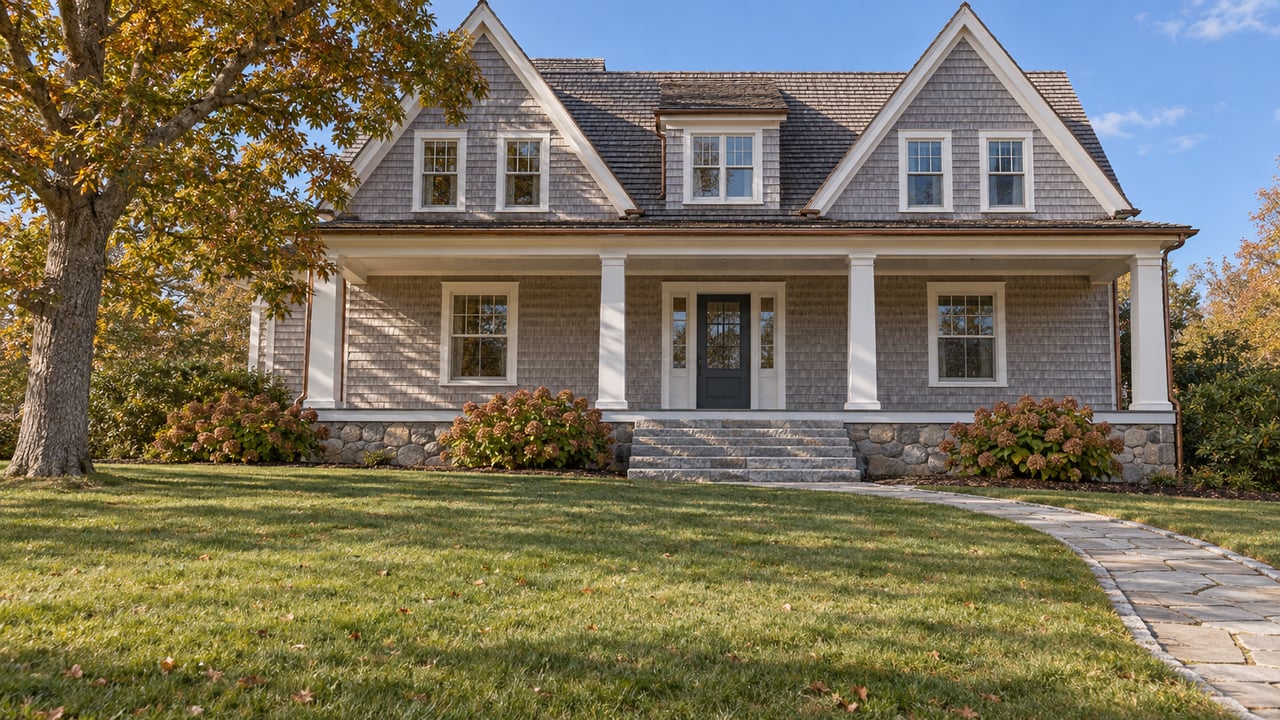
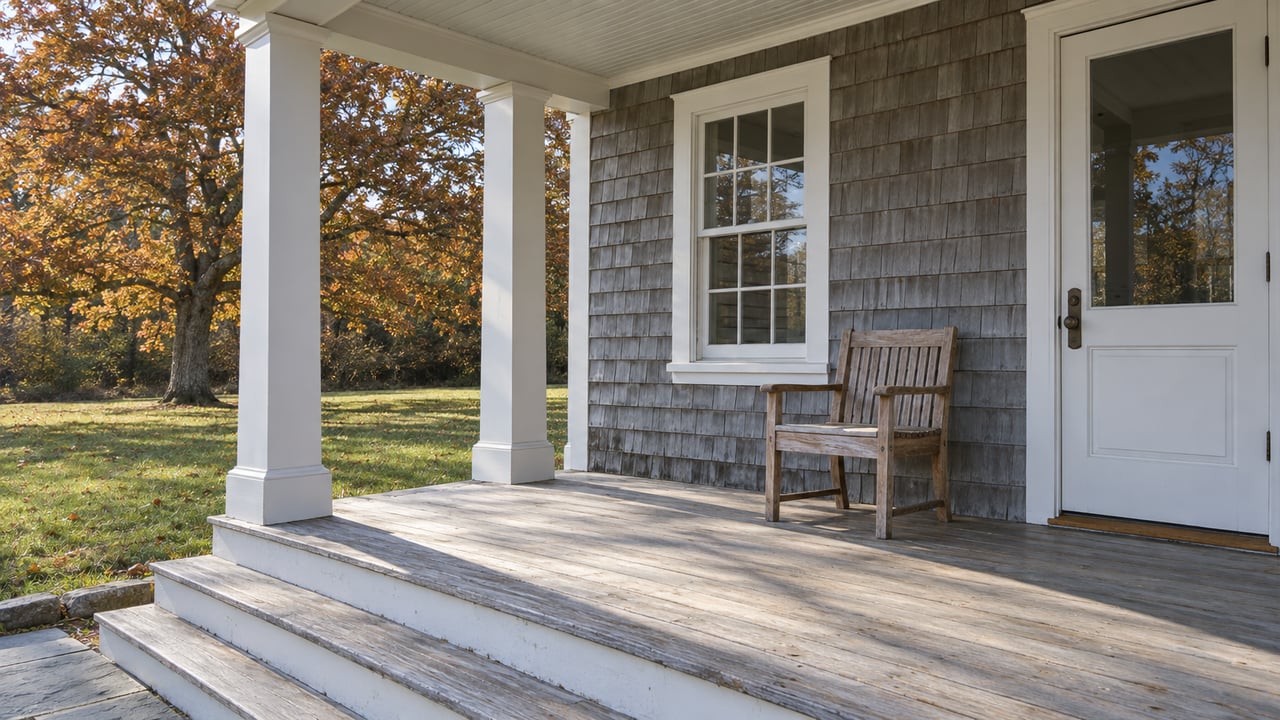
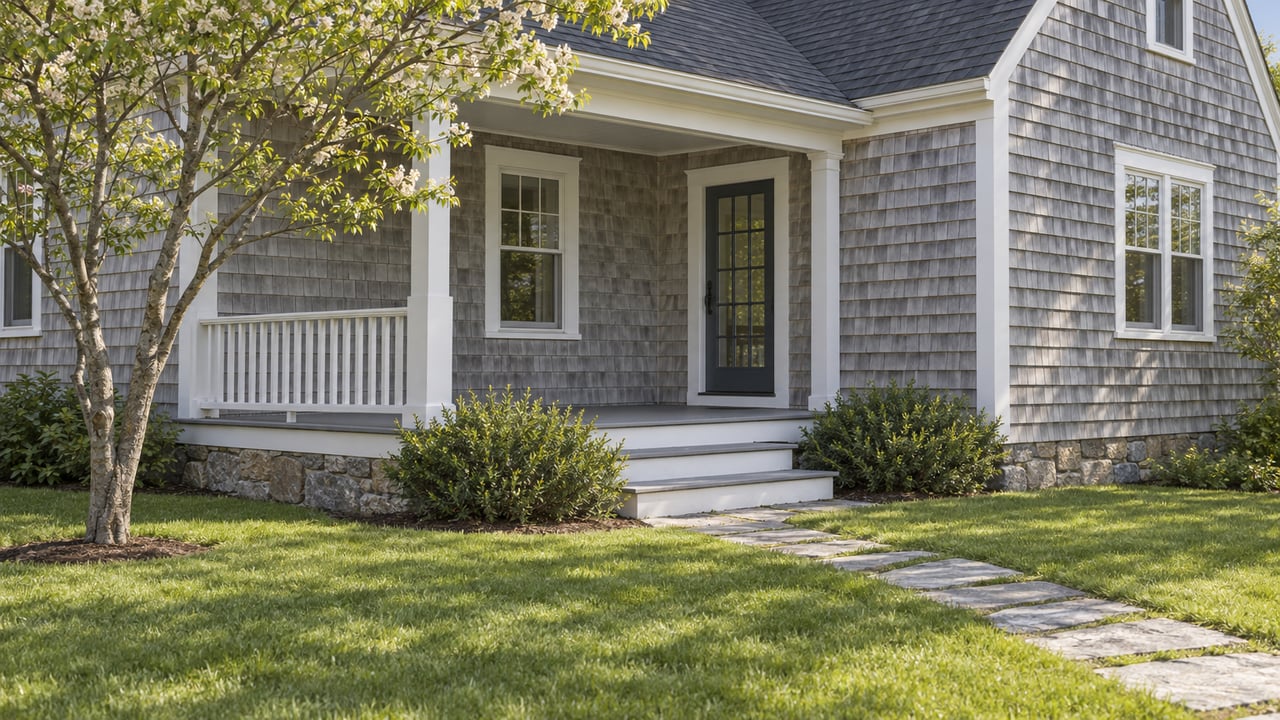
For many buyers, Shelter Harbor’s appeal begins with its homes. The neighborhood’s earliest houses date largely from about 1915 to 1930, with original summer cottages that were mostly bungalow-derived and finished in shingle or clapboard.
Later development broadened the architectural mix. Westerly’s comprehensive plan notes that Shelter Harbor is more eclectic architecturally than nearby Weekapaug, which is known for a more consistent Shingle Style identity.
That means your search may include everything from smaller historic cottages to larger, more updated homes. If you want architectural variety and early coastal character, Shelter Harbor offers a different experience from neighborhoods with a more uniform building style.
Expect limited inventory and a middle-ground value position
Shelter Harbor is a relatively small housing market. In the town’s 2018 revaluation, there were 164 single-family homes in Shelter Harbor, which points to limited inventory compared with broader markets.
Town assessment data is not the same as sale pricing, but it can still help you understand relative positioning. Shelter Harbor had a median assessed value of $655,650, compared with $481,600 in Misquamicut, $1,767,650 in Watch Hill, and $1,795,800 in Weekapaug.
In practical terms, Shelter Harbor appears to sit between the town’s ultra-luxury enclaves and more mixed shoreline areas. For buyers, that can make it an appealing option if you want a distinct coastal neighborhood without aiming for Watch Hill or Weekapaug pricing levels.
Year-round use is shaping the neighborhood
One of the more important local trends is how coastal homes are evolving. Westerly’s planning documents note that many coastal properties are being renovated or rebuilt for year-round occupancy and at heights above base flood elevation.
That is especially relevant in Shelter Harbor, where older cottages are part of the neighborhood’s identity. As you compare homes, you may be weighing original charm against updates that support four-season living, modern systems, and current elevation considerations.
For some buyers, a legacy cottage is the goal. For others, a newer or heavily renovated home may offer a more practical path for regular use. In Shelter Harbor, that tradeoff is often central to the decision.
Water access is a major draw, but it is not broadly public
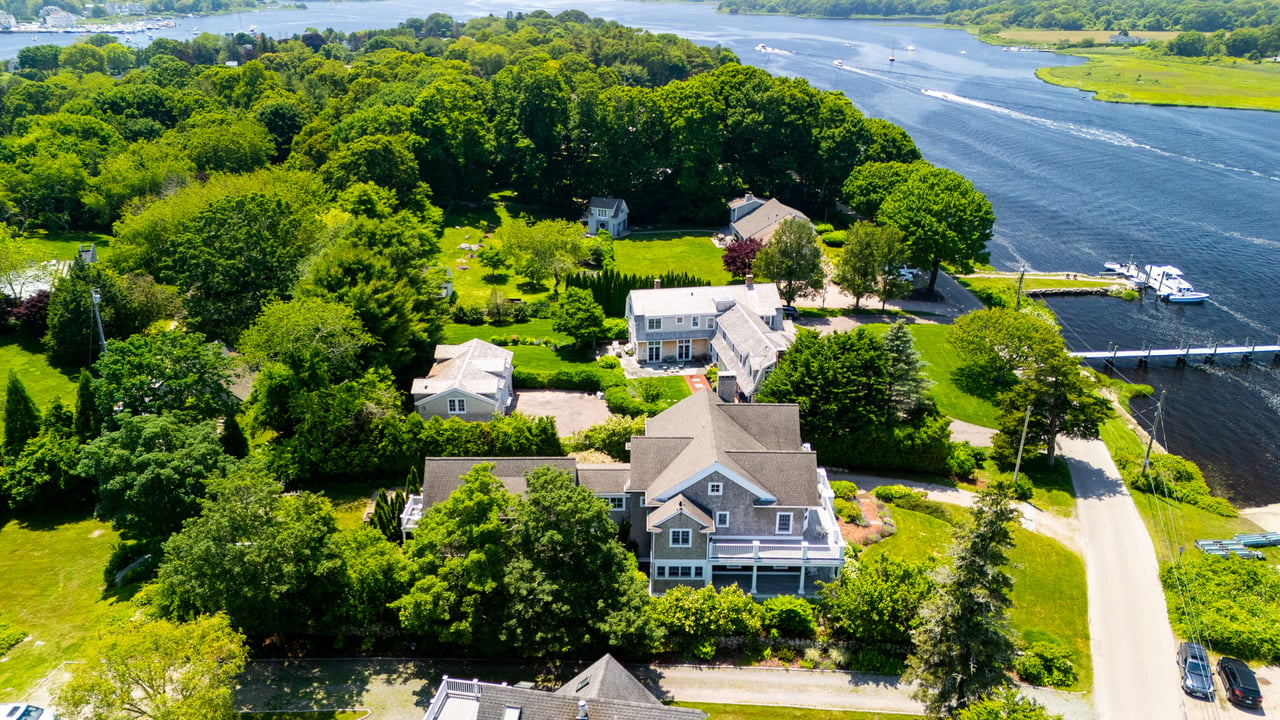
Shelter Harbor’s location along Quonochontaug Pond is a big part of its appeal. If boating, paddling, or access to the water matters to you, this is one of the first areas to investigate carefully.
The town’s harbor management plan reported 103 moorings at Groves’s Dock and Point Dock operated by the Shelter Harbor Fire District, and the 2015 data stated that all of those moorings were owned by district residents. The current town mooring page also says Westerly moorings must be registered annually, with a $250 annual mooring fee, and requires proof of residency and boat registration.
Just as important, town planning documents indicate that shoreline access in Shelter Harbor is district-based rather than public. The comprehensive plan lists no public-access water facility at 9 Rossini Road on Quonochontaug Pond, while the town’s hazard mitigation planning identifies a Shelter Harbor Fire District beach for district residents.
District rules and taxes should be part of your budget
Many buyers focus first on the house and only later ask how the neighborhood functions. In Shelter Harbor, that second question matters.
Westerly’s comprehensive plan states that local fire districts have taxation powers and maintain district beaches and facilities. For you, that means ownership costs may include district-level taxes and rules in addition to standard town expenses.
This can be a positive if you value neighborhood-managed amenities and local stewardship. Still, it is something to verify early in your search so you understand what access, obligations, and costs come with a specific property.
Some amenities are private or neighborhood-specific
Shelter Harbor is not built around a broad public commercial scene. The town lists Shelter Harbor Golf Club as a private recreation facility and Shelter Harbor Inn as an outdoor paddle club, which suggests that some lifestyle amenities are more limited and localized rather than widely public.
That distinction helps set expectations. If you want walkable retail, a stronger village center, or a highly active visitor environment, another shoreline neighborhood may fit better.
If you prefer a more contained residential setting with selective access to water-oriented amenities, Shelter Harbor may align more closely with your priorities.
How Shelter Harbor compares nearby
Shelter Harbor vs. Watch Hill
Watch Hill is the best-known comparison in Westerly. It is more village-centered, more commercial, and generally more prestige-oriented, with Bay Street as a commercial core and a broader mix of destination appeal.
Shelter Harbor feels quieter and more residential. If your priority is privacy and pond-side character over shops, village activity, and a more public-facing coastal identity, Shelter Harbor may feel more comfortable.
Shelter Harbor vs. Weekapaug
Weekapaug is perhaps Shelter Harbor’s closest peer in terms of privacy and residential character. Both are primarily residential and both include an inn, but Weekapaug has a stronger oceanfront identity because it surrounds the western end of Quonochontaug Pond and fronts the Atlantic Ocean at Weekapaug Point and along its barrier beach.
Shelter Harbor, by contrast, reads as more eclectic architecturally and less defined by oceanfront club culture. If you are less focused on a direct oceanfront setting and more interested in pond access and a distinctive historic backstory, Shelter Harbor may be the better fit.
Shelter Harbor vs. Misquamicut
Misquamicut is more public, more visitor-facing, and more summer-commercial in character. The town notes its mix of residential, commercial, and mixed uses, along with public beach amenities that create a very different environment from Shelter Harbor.
Compared with Misquamicut, Shelter Harbor is much more district-managed and private in feel. Buyers who want less public beach traffic and a more residential rhythm often notice that difference right away.
Coastal diligence matters here
As with any coastal purchase in Westerly, location appeal should be balanced with practical review. The town’s flood-zone resources note that FEMA identifies multiple regulated flood zones in Westerly, and the town also points buyers to flood maps, STORMTOOLS, and insurance resources.
The town’s coastal-erosion information also notes that shoreline change can occur quickly during storms. For Shelter Harbor buyers, that means elevation, flood-zone status, insurance, and long-term shoreline conditions should be part of your due diligence from the start.
This is especially important when comparing an older cottage with a newer or rebuilt home. The right property is not just about charm or setting. It is also about how the house fits today’s coastal ownership realities.
Why Shelter Harbor appeals to second-home buyers
Westerly’s location on Rhode Island’s southwest corner near the Connecticut border helps explain Shelter Harbor’s draw. The area has long been a seaside vacation destination, and that cross-state convenience can be attractive if you are looking for a weekend-accessible coastal home.
For many buyers, Shelter Harbor hits a specific balance. It is quieter and more private than more public beach areas, less commercial than Watch Hill, and less oceanfront-centered than Weekapaug.
If your idea of a coastal purchase includes historic character, neighborhood identity, and pond-oriented access in a largely residential setting, Shelter Harbor deserves a closer look. The key is understanding that its value lies as much in its structure and governance as in its scenery.
If you are weighing Shelter Harbor against Watch Hill, Weekapaug, or other Westerly shoreline options, a private, neighborhood-specific approach can save time and sharpen the search. Geb Masterson offers discreet buyer and seller representation across the Watch Hill and Westerly coastline, with the local context needed to evaluate distinctive communities like Shelter Harbor.
FAQs
What makes Shelter Harbor different from other Westerly shoreline neighborhoods?
- Shelter Harbor is primarily residential, has roots as a music colony, offers pond-oriented access, and tends to feel quieter and more district-managed than Watch Hill or Misquamicut.
What type of homes are common in Shelter Harbor?
- Buyers will find early twentieth-century cottages, especially bungalow-derived homes in shingle or clapboard, along with later houses that add to the neighborhood’s eclectic architectural mix.
What should homebuyers know about water access in Shelter Harbor?
- Water access appears to be tied largely to the Shelter Harbor Fire District rather than broad public access, and mooring use and registration are governed by local town and district rules.
Are there extra ownership costs in Shelter Harbor beyond town taxes?
- Yes. Westerly states that fire districts have taxation powers and maintain district facilities, so buyers should expect to review district-level taxes and rules in addition to regular town ownership costs.
Is Shelter Harbor a good fit for a second home in Westerly?
- It can be a strong fit if you want a weekend-accessible coastal setting with historic character, privacy, and Quonochontaug Pond proximity rather than a busier public beach or village-centered environment.
What coastal due diligence should buyers do in Shelter Harbor?
- Buyers should review flood-zone status, elevation, insurance considerations, and shoreline conditions carefully, especially when comparing older cottages with renovated or rebuilt homes.