Dreaming about a Westerly retreat often starts with the view, but the homes that feel best over time are shaped just as much by how you live when you arrive. If you are planning a coastal home in 02891, you are likely balancing beauty, function, privacy, and long-term resilience all at once. The good news is that with the right design priorities, you can create a property that fits both the shoreline setting and your everyday routines. Let’s dive in.
Start With Westerly’s Coastal Character
Westerly includes places with distinct coastal identity, including Watch Hill and Misquamicut. Town resources describe Watch Hill as a historic destination known for its beaches, lighthouse, Flying Horse Carousel, and boat moorings in Little Narragansett Bay. That setting naturally shapes what feels appropriate in both architecture and layout.
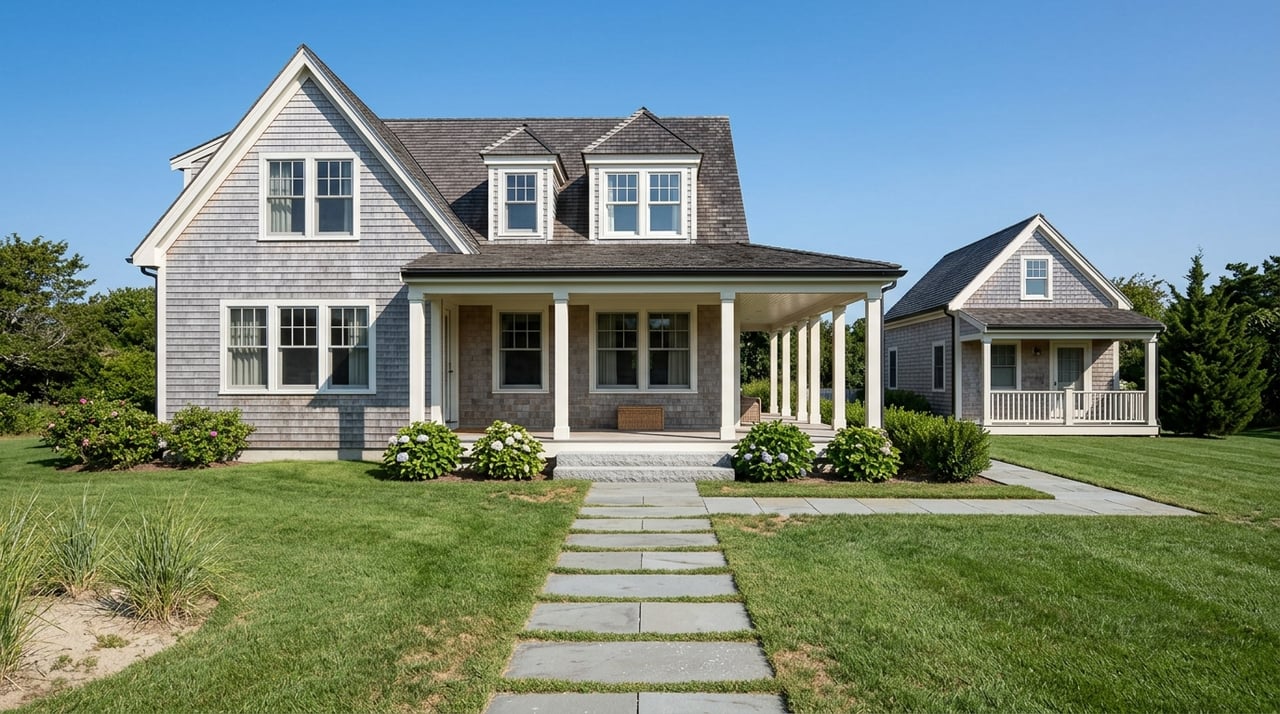
In Watch Hill, historic context matters. The Watch Hill Historic District is listed on the National Register, and its homes reflect resort-era styles such as Shingle Style, Queen Anne, Colonial Revival, English Tudor, and Norman or Palm House forms. If you are updating or designing a home here, a successful result usually feels connected to that long-established scale, siting, and coastal resort character.
That history also offers a useful design lesson. Because the district developed as a seasonal resort community from the 1840s through the 1930s, homes that support both weekend use and longer stays often feel more natural than oversized rooms built for a single purpose. In practice, that means flexible spaces tend to serve coastal living better than sheer square footage alone.
Prioritize a Floor Plan for Real Coastal Use
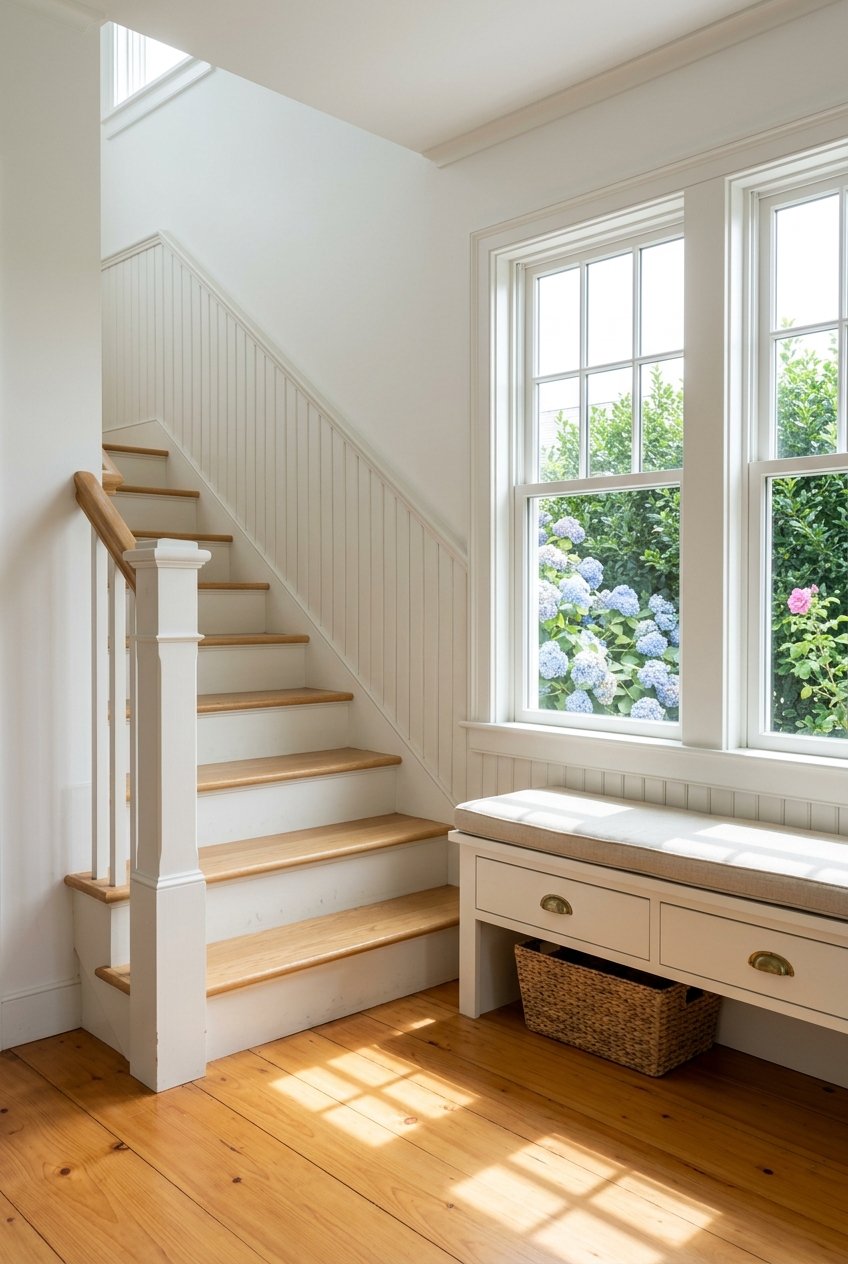
A beautiful house can still be frustrating if the layout ignores sand, salt, wet towels, and boating gear. In Westerly, practical planning starts with the transition from outdoors to indoors. You want the home to absorb beach-day traffic without pushing the mess into your main living spaces.
A strong coastal floor plan often includes:
- A mudroom or entry drop zone
- Durable flooring near primary entries
- Storage for outerwear, beach gear, and bags
- Easy access to a bath or rinse path from outside
- Clear separation between arrival spaces and gathering rooms
These choices may sound simple, but they shape how the property feels every weekend and every summer season. If boating is part of your lifestyle, gear storage becomes even more important. Westerly notes that mooring space in town waters is limited and moorings must be registered annually, so it is wise to confirm your boating plan early rather than assume on-water storage options will be available later.
Place Rooms Around the Lot, Not Just the House
One of the biggest design mistakes in a coastal property is focusing on the floor plan before fully understanding the lot. In Westerly, room placement should respond to views, access, wind, privacy, and coastal regulation. A great layout on paper may not be the right layout once the site conditions come into focus.
This matters even more near the shoreline. Rhode Island Coastal Resources Management Council rules require permits for work on a shoreline feature or within 200 feet of one, and the minimum setback from coastal features is 50 feet. CRMC also recommends going beyond the minimum setback where possible because erosion and coastal storms remain ongoing conditions.
That means you should confirm view corridors and building placement before deciding where living rooms, porches, bedrooms, and outdoor areas belong. A thoughtful site-driven design can protect both your daily experience and your future flexibility. In coastal property, the lot is never just background.
Design Outdoor Spaces With Privacy in Mind
Outdoor living is part of the appeal in Westerly, especially near the beach. Terraces, seating areas, paths, and lawn edges can make a home feel calm and welcoming. But beachfront design also has to account for Rhode Island’s shoreline access law.
The law provides public lateral shoreline access up to 10 feet landward of the visible high-tide line. For you as an owner or buyer, that makes outdoor planning especially important. Clear circulation, well-placed seating, and thoughtful boundaries can help your outdoor spaces feel more private and functional without fighting the realities of the site.
Landscape choices matter here too. CRMC guidance describes coastal buffer zones as vegetated with native shoreline species, and its erosion guidance notes that hard armoring can shift erosion problems farther down the coast. In many cases, generous setbacks and landscape-led resilience are easier to live with than relying on walls alone.
Build Resilience Into the Design Early
In coastal real estate, resilience should be part of the first conversation, not the last one. That applies whether you are buying a home to update or planning a larger renovation. The best projects pair comfort and character with a clear understanding of flood and coastal requirements.
For larger projects, Rhode Island coastal guidance says that repairs or renovations reaching or exceeding 50% of a structure’s market value must meet current standards. That threshold can affect much more than the visible design. It can shape decisions around storage, mechanical systems, sleeping space, and how the home functions in every season.
Westerly also requires Elevation Certificates and V-Zone or Coastal A Zone Design Certificates for new construction, demolition and rebuilding, and substantial-improvement projects in the Special Flood Hazard Area. If you are considering a purchase, it is smart to ask whether these records already exist before closing. Early answers can save time, money, and design revisions later.
Another local issue worth checking early is CBRS status. The town notes that some shoreline parcels, including areas in East Beach, Misquamicut Beach, and Napatree Point, are within CBRS units. Structures in those units are ineligible for flood insurance and FEMA assistance for elevation, rehabilitation, or reconstruction, so this is not something to discover after you have already fallen in love with the property.
Know When Permits and Reviews May Shape the Plan
Even a carefully considered design idea still has to move through the right local process. Westerly’s Building Office issues building, electrical, plumbing, mechanical, and demolition permits. The town also notes that some building permits require zoning approval first, including permits for single-family dwellings, garages, decks, sheds, and pools.
If your project is in Watch Hill or another design-sensitive setting, local review can matter as much as your architect’s plans. Westerly’s comprehensive plan states that the Shore Commercial-Watch Hill district lies within the Watch Hill Historic District and that new construction must conform in style and bulk with the existing structures and unique character. This is one reason why context-sensitive design is so important in coastal villages with strong architectural identity.
For buyers, this has a practical takeaway. Before you assume you can add a pool, expand a deck, or rework the exterior, confirm what approvals may be needed. The most successful purchases are often the ones where design ambition and permitting reality are aligned from the start.
Don’t Overlook Utilities and Site Systems
Many buyers focus on views and finishes first, but utility infrastructure can have a major effect on renovation scope and ownership costs. Westerly’s comprehensive plan says municipal sewer serves nearly half the town, while the rest of the town relies on onsite wastewater treatment systems. That difference can affect what is possible on the site.
If the property is not on sewer, make sure you understand the existing system and any upgrade issues. Rhode Island DEM says cesspools subject to sale or transfer must be removed from service within one year of closing. For a buyer planning improvements, that timing can become part of the overall project budget and schedule.
This is another reason a well-advised purchase matters so much in coastal markets. The most attractive home on first showing may not be the easiest one to adapt to your goals once utility and site constraints are fully understood.
Blend Flexibility With Historic Fit
The most compelling Westerly retreats often balance old and new rather than forcing one over the other. In a historic coastal setting, you do not need every room to be large to make the home feel luxurious. Often, what matters more is proportion, natural light, flow, and the way the home supports the rhythm of weekends, holidays, and longer stays.
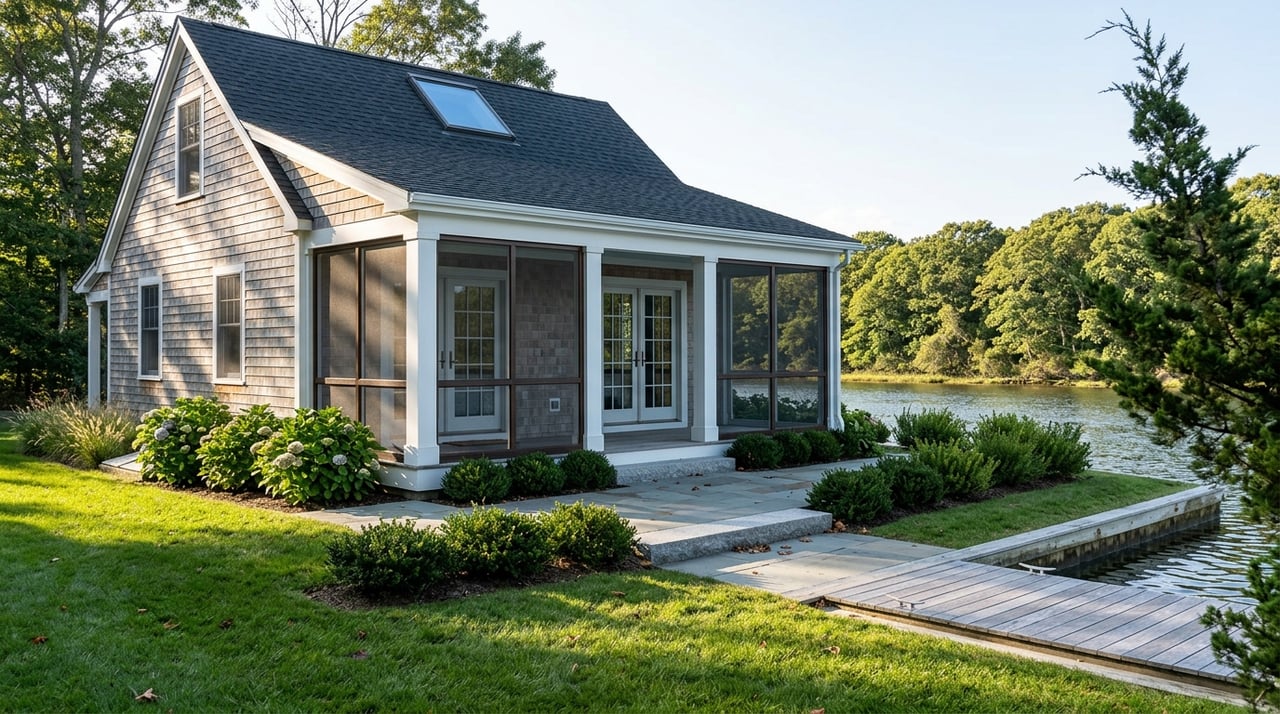
That might mean a sitting room that also works as overflow guest space, a porch that becomes a true second living area, or a compact upper level with thoughtful built-ins rather than oversized unused rooms. Especially in and around Watch Hill, homes tend to feel most authentic when they respect the established relationship between house, lot, and shoreline setting.
If you are buying with renovation in mind, this is where local perspective becomes valuable. The right plan is not just about what can be added. It is about what will feel enduring, usable, and appropriate to the property over time.
A Smart Buyer’s Design Checklist
Before you commit to a coastal property in Westerly, it helps to pressure-test the design potential with a few direct questions:
- Is the property within CRMC jurisdiction or near a shoreline feature setback area?
- Is the parcel in a flood zone or Special Flood Hazard Area?
- Are Elevation Certificates or V-Zone and Coastal A Zone Design Certificates already on file?
- Is the property in a historic district or design-sensitive area?
- Is the home connected to sewer, or does it rely on an onsite wastewater treatment system?
- Are there any cesspool replacement issues that could affect budget or timing?
- Does the floor plan support beach and boating use without carrying sand and salt into the main living areas?
- Would your planned work trigger zoning approval, building permits, or substantial-improvement rules?
- If boating matters to you, have you confirmed realistic mooring or storage options?
These questions do not take the romance out of the process. They protect it. When you understand the property clearly, you can make design decisions with more confidence and fewer surprises.
Thoughtful coastal design in Westerly is never only about appearance. It is about creating a retreat that works beautifully with the shoreline, respects local context, and supports the way you actually live. If you are considering a purchase, renovation, or long-range plan in Watch Hill or greater Westerly, a private conversation can help you evaluate the property through both a design and market lens. Geb Masterson offers a discreet, relationship-first approach shaped by deep local knowledge and high-touch coastal expertise.
FAQs
What makes a Westerly coastal floor plan practical?
- A practical Westerly floor plan usually includes a mudroom or drop zone, durable entry flooring, gear storage, and a path to a bath or rinse area so beach and boating use does not overwhelm the main living spaces.
What coastal setbacks apply to property design in Westerly?
- CRMC requires permits for work on a shoreline feature or within 200 feet of one, and the minimum setback from coastal features is 50 feet, with the agency recommending larger setbacks where possible.
What should buyers know about beachfront privacy in Rhode Island?
- Rhode Island law provides public lateral shoreline access up to 10 feet landward of the visible high-tide line, so beachfront seating, paths, terraces, and landscaping should be planned with that in mind.
What renovation threshold can trigger current coastal standards in Rhode Island?
- If repairs or renovations reach or exceed 50% of a structure’s market value, current standards may apply under Rhode Island coastal guidance.
What records should buyers request for flood-area homes in Westerly?
- For properties in the Special Flood Hazard Area, buyers should ask whether Elevation Certificates and V-Zone or Coastal A Zone Design Certificates already exist.
What permit issues matter for home projects in Westerly?
- Westerly’s Building Office handles building, electrical, plumbing, mechanical, and demolition permits, and some projects such as single-family dwellings, garages, decks, sheds, and pools may need zoning approval before permit issuance.
What utility question matters when buying a coastal home in Westerly?
- You should confirm whether the property is on municipal sewer or an onsite wastewater treatment system, and whether any cesspool replacement obligation could affect your timeline after closing.
What should boaters confirm before buying in Westerly?
- If boating is part of your plan, verify mooring availability and registration requirements early, since Westerly says mooring space in town waters is limited.