If you are thinking about selling a cottage in Weekapaug, the biggest mistake is treating it like just another coastal listing. This village has a long memory, a distinct seasonal rhythm, and a market that responds to authenticity more than flash. If you prepare thoughtfully, price with discipline, and tell the property’s story well, you can bring your home to market in a way that protects both value and legacy. Let’s dive in.
Why Weekapaug Requires A Different Approach
Weekapaug is not a new resort story. It is a longstanding coastal village within Westerly, with roots as a summer community reaching back to the 19th century. Historic records describe a place shaped by modest cottages, larger summer houses, beach access, and continuity over time.
That history matters when you sell. Buyers drawn to Weekapaug are often responding to the village itself as much as the house, which means your marketing should reflect scale, setting, and provenance rather than overstatement. In many cases, understatement is the stronger strategy.
The ownership experience also includes the Weekapaug Fire District, which provides services such as fire protection and security, maintains beaches and roads, and supports recreational events and other authorized services. That makes a Weekapaug cottage part of a broader coastal community, not simply a standalone asset.
Time The Sale Around The Season
Timing matters in any market, but in Weekapaug it matters twice. You are working with both Rhode Island’s selling season and the village’s summer operating rhythm. That is why the best listing plans usually begin well before you expect to go live.
Statewide, Rhode Island entered 2026 with low inventory and elevated prices, even as sales activity started slowly. By spring, supply had improved somewhat, but not enough to remove pricing pressure. In Westerly, the market remained active and competitive, with a median sale price of about $575,000 over the three months ending May 2026 and average days on market of 35.
For many sellers, the practical takeaway is simple. If you may sell within the next 12 to 24 months, it makes sense to complete repairs, records gathering, and visual prep in the off-season so your home is ready before spring demand builds.
Why Off-Season Prep Wins
Weekapaug’s customs ask owners to avoid major summer construction and to keep noisy work to weekday daytime hours. That guidance is about community stewardship, but it also supports a smart selling strategy. Trying to renovate during beach season can create delays, inconvenience, and a poorer first impression.
Winter and shoulder seasons are usually better for planning, repairs, painting, landscaping strategy, and vendor coordination. By the time buyers begin focusing on coastal property in earnest, your cottage should feel settled, polished, and ready.
Prepare The Cottage Without Over-Renovating
In Weekapaug, more renovation does not always mean more value. Because the village is closely tied to preserved scale, natural setting, and long summer use, sellers often benefit more from careful maintenance and selective improvements than from a full redesign.
That usually means focusing on the basics that buyers notice right away:
- Deferred repairs
- Fresh paint where needed
- Clean, dependable mechanical systems
- Orderly storage areas
- Trimmed landscaping
- Thoughtful, light staging
A preservation-minded approach often fits the market better than chasing current design trends. Buyers looking in Weekapaug are often responding to the feeling of a real coastal cottage, not a generic renovation that could be anywhere.
Exterior Details Matter More Here
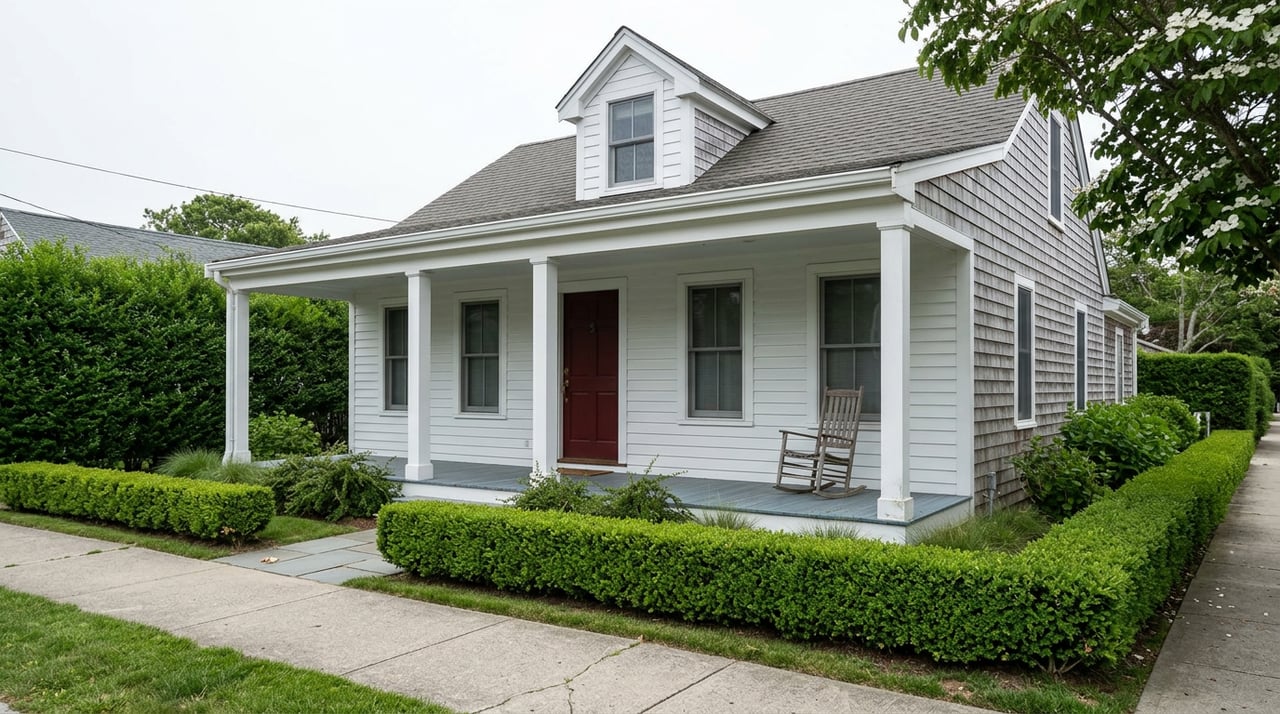
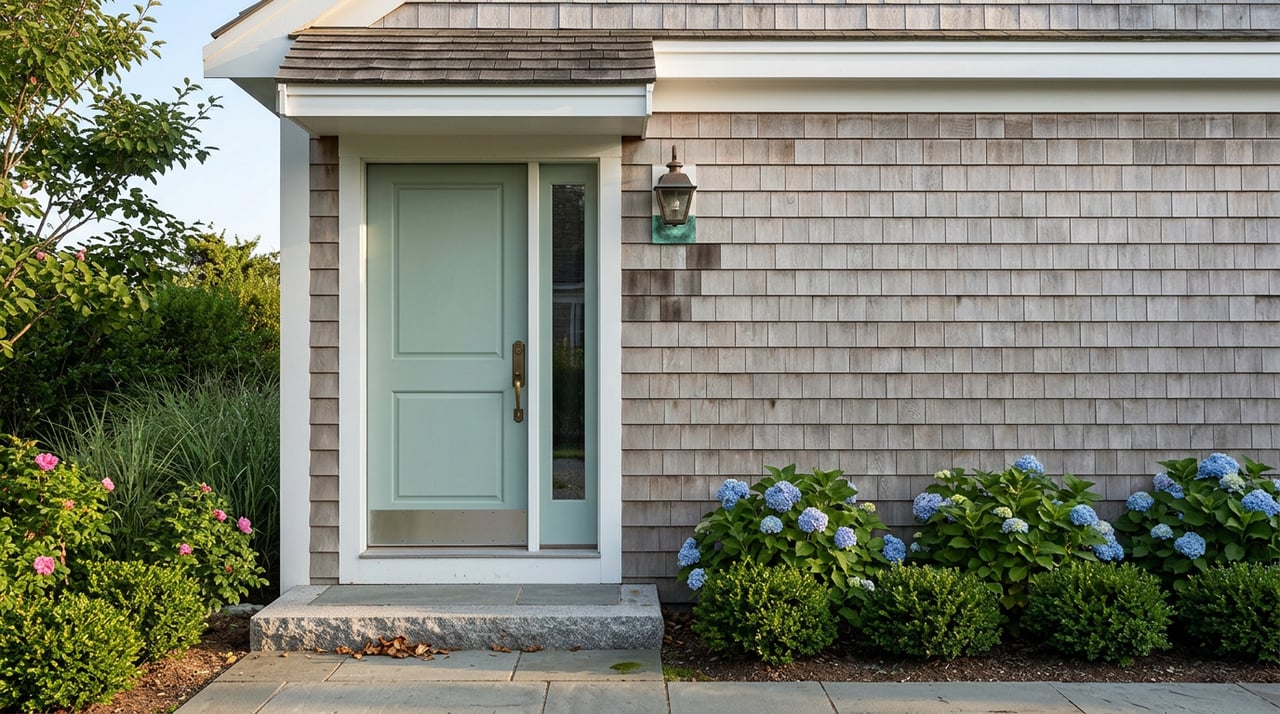
First impressions begin before a buyer steps inside. In Weekapaug, narrow roads, mature landscaping, and close proximity to beaches make exterior presentation especially important.
The district’s guidance emphasizes maintaining sightlines, following parking restrictions, and keeping roads clear of trailers, PODs, and construction materials. For sellers, that means curb appeal includes more than lawn care. It also includes how the property sits within its immediate surroundings.
Organize Coastal Records Early
Shoreline property prompts practical questions. Westerly’s coastal-erosion materials specifically identify areas including the Weekapaug Breachway and Weekapaug Headland, which makes it wise to organize maintenance records and property history early in the process.
If your home has documentation related to storm events, improvements, drainage, shoreline conditions, or other resilience-related work, gather it before the first showing. Serious buyers will appreciate a clear record, and you will be better prepared for due diligence.
Tell The Property Story Carefully
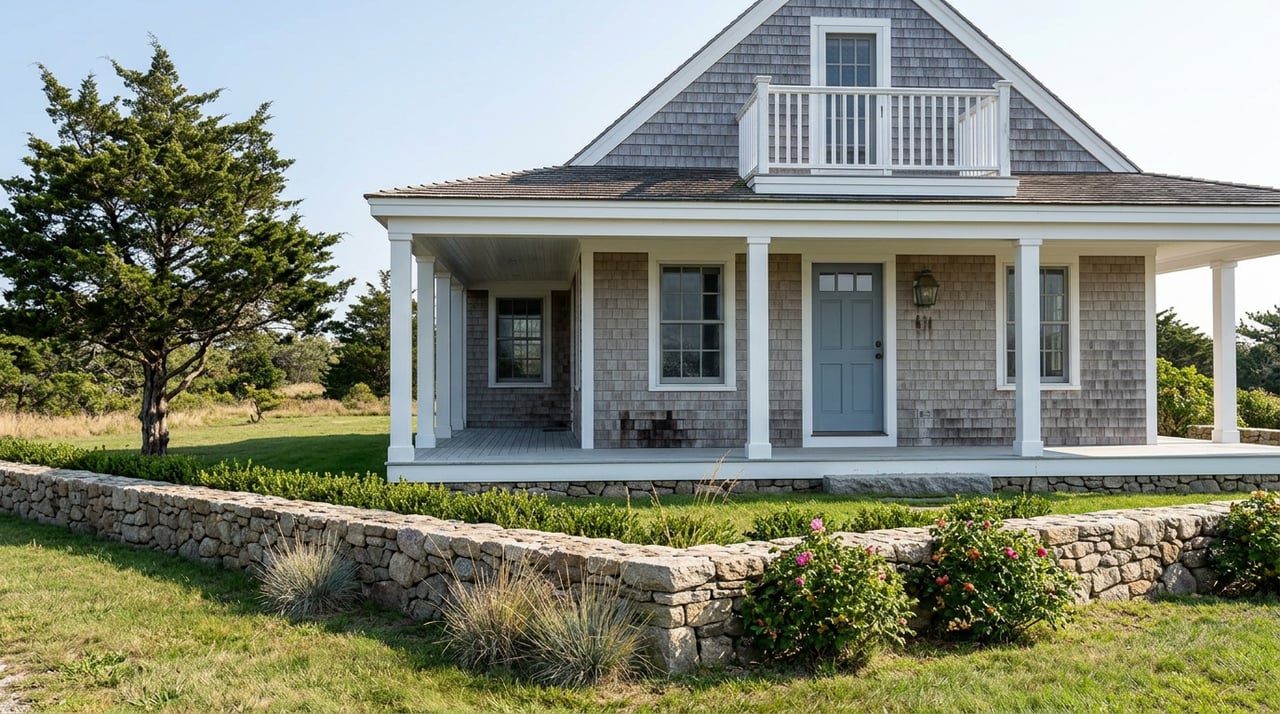
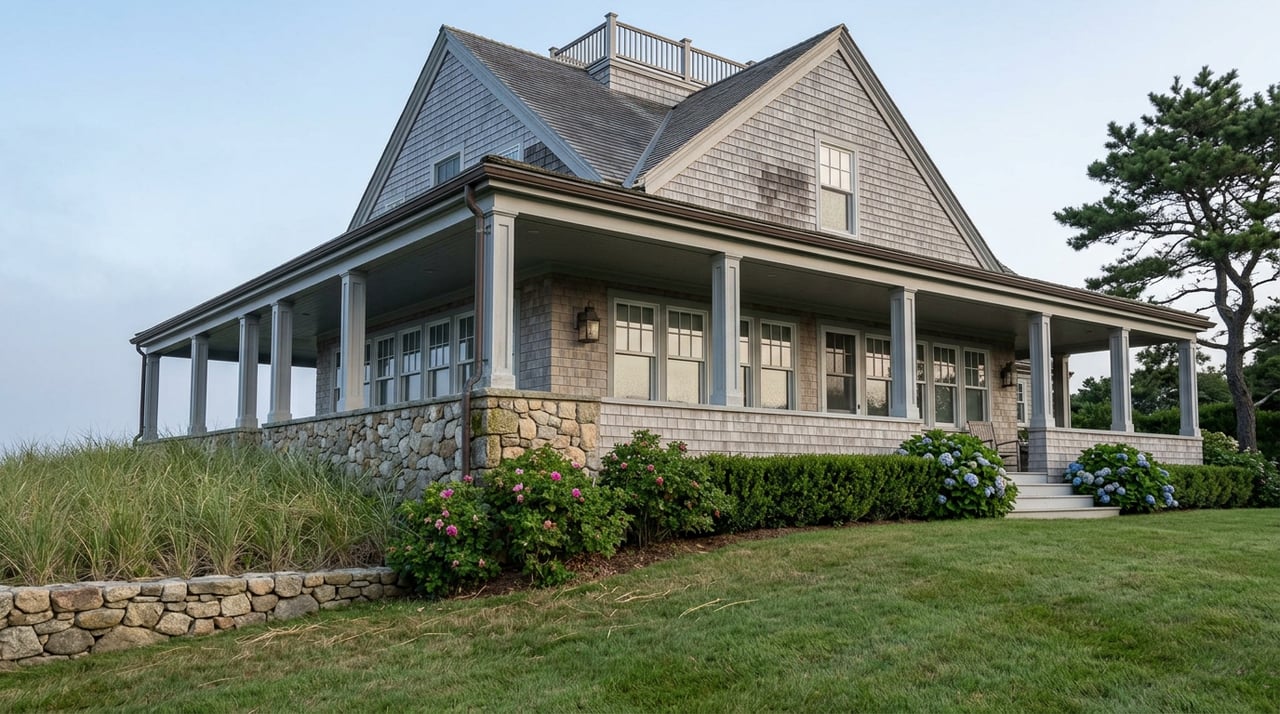
A Weekapaug cottage usually sells best when the story feels true to the place. That means showing setting first and finishes second. Porches, paths, dunes, shoreline context, and the scale of the home within the neighborhood often do more to communicate value than highly stylized interior imagery alone.
The narrative should also be specific. If the house has been held across generations, expanded thoughtfully, or preserved with care, those details matter. Buyers often connect with a clear timeline of ownership, updates, and use, especially in a village known for continuity and long summer traditions.
Use Authentic Photography
Photography should feel bright, clear, and natural. In a market like Weekapaug, overly dramatic editing can work against the home because authenticity is part of the appeal.
The strongest visuals usually highlight:
- Outdoor living spaces
- Relationship to the beach or pond setting
- Approach and siting
- Natural light
- Architectural character
- Simple, comfortable interiors
That approach helps the buyer understand not just what the house looks like, but what life there feels like.
Be Precise About District Details
One of the fastest ways to lose trust in a coastal listing is vague language about access, amenities, or rules. In Weekapaug, buyers need a clear explanation of what comes with ownership and what does not.
The Weekapaug Fire District’s beach rules are detailed and should be presented plainly. Beach buttons are for district members only and must be displayed by everyone age 13 and older. Resident parking requires a Weekapaug sticker, and beach boxes are allowed only on Fenway Beach for residents, with identification and a prepaid fee.
Buyers may also need to understand seasonal operations. Lifeguards are on duty at both beaches during specified summer hours, Fenway Beach is the designated area for beach parties, and district rules prohibit dogs, alcohol, and glass containers on district beaches. The district also notes carry in and carry out expectations, no smoking or vaping at the beaches, no drones, and no music or ball play near others.
Explain Access With Care
It is equally important to distinguish private district amenities from public shoreline access. Rhode Island’s shoreline-access framework protects access rights, and the state has documented an historically used public path at the Weekapaug Breachway.
That means your listing language should be accurate and restrained. If an amenity is district-controlled, say so clearly. If a nearby access point is public, that should be described separately rather than blended into private ownership benefits.
Expect Out-Of-State Buyers
Weekapaug marketing should not be built only for local traffic. In Rhode Island, out-of-state buyers accounted for 22.5% of residential sales in 2025, and buyers from Massachusetts alone represented more than 12% of sales. For homes sold at $1 million or more, buyers from other states made up 41.1% of transactions.
That matters because many likely buyers will be learning Weekapaug as they learn your property. They may not understand the district structure, the seasonal rhythm, or the distinctions between public access and district benefits. Your marketing should answer those questions before they become obstacles.
What Serious Buyers Usually Ask
Well-prepared sellers are ready for the questions that come early and often. In Weekapaug, those questions commonly include:
- What district-related benefits come with ownership?
- How do beach buttons, parking stickers, and beach-box eligibility work?
- Which rules apply to guests, parking, beach use, and quiet hours?
- Which access points are private, district-controlled, or public?
- What maintenance or shoreline-history records are available?
When those answers are organized in advance, the sale process feels more credible and far less reactive.
Bring The Cottage To Market With Restraint
The right Weekapaug strategy is usually not louder marketing. It is better preparation. It is knowing which work to do, which details to document, and which parts of the property’s story deserve careful emphasis.
That is especially true in a village where history, community norms, and seasonal use shape buyer expectations. A thoughtful listing plan respects the character of the home, presents district details clearly, and positions the property for buyers who value provenance as much as polish.
If you are considering a sale, a private strategy session can help you decide what to fix, what to leave alone, when to list, and how to present the property with clarity and discretion. To start that conversation, connect with Geb Masterson.
FAQs
What makes selling a Weekapaug cottage different from selling another coastal home?
- Weekapaug buyers often value history, modest coastal character, seasonal rhythm, and clear district information, so the marketing and preparation need to reflect those priorities.
When should you start preparing a Weekapaug cottage for sale?
- If possible, start in the off-season so repairs, records gathering, and visual improvements are complete before spring and before summer activity makes larger projects harder.
What improvements matter most before listing a Weekapaug cottage?
- Clean repairs, paint, reliable mechanicals, landscaping, staging, and organized documentation usually matter more than a full redesign in this market.
What should a Weekapaug seller disclose about beach access and district amenities?
- You should clearly explain district-related items such as beach buttons, parking stickers, beach-box rules, and seasonal operations, while also separating those from any public shoreline access.
Why do Weekapaug sellers need shoreline and maintenance records ready?
- Coastal buyers often ask about storm history, shoreline conditions, and prior property work, so having records ready helps build trust and supports a smoother due diligence process.