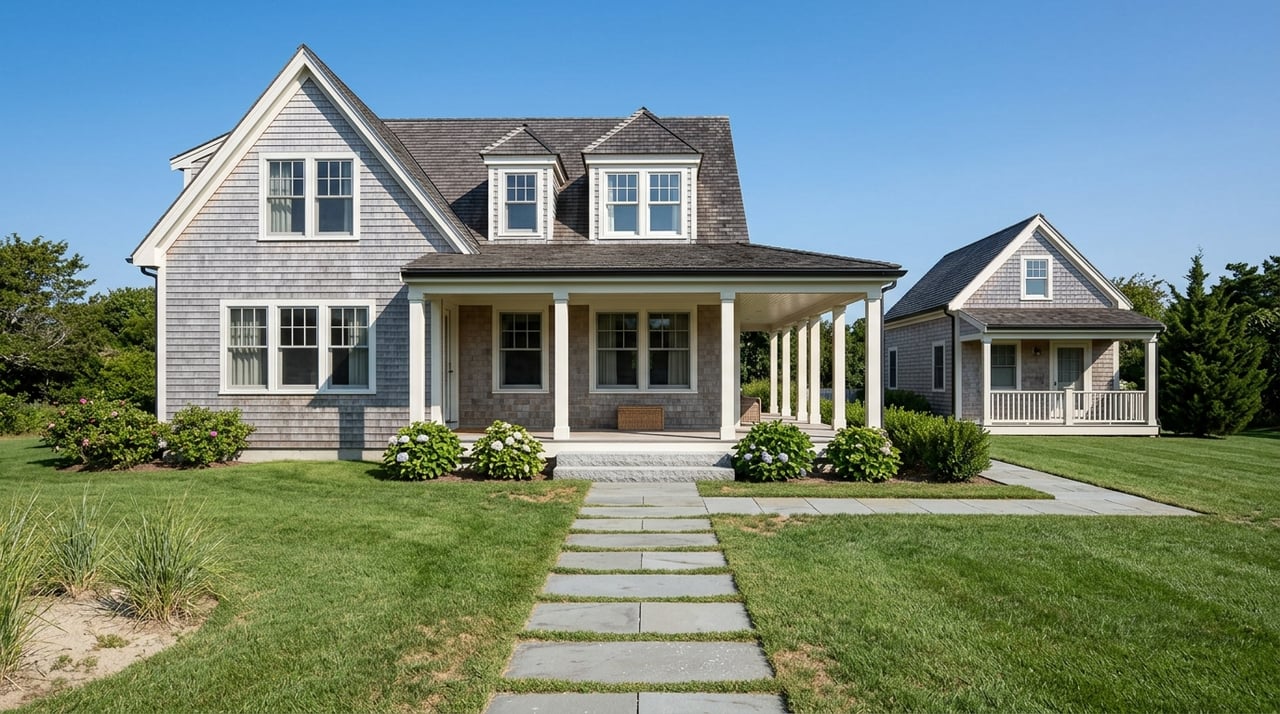
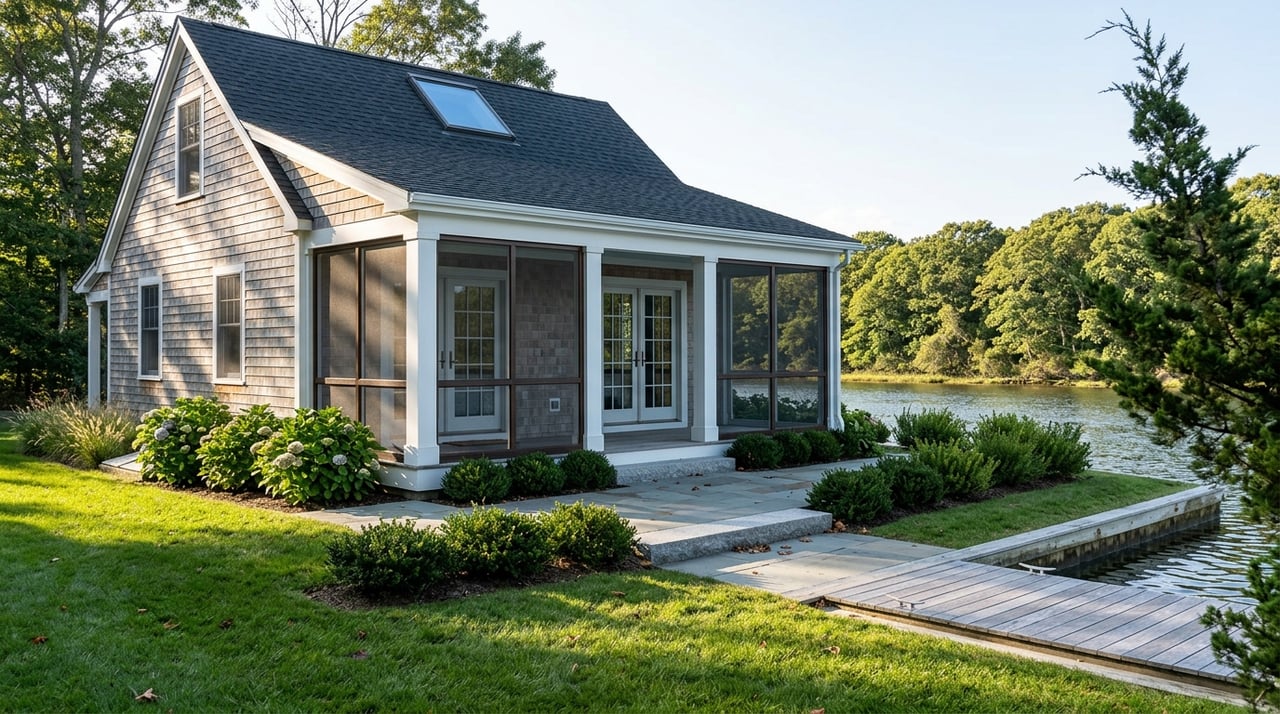
Trying to choose between true waterfront and a short walk to the water in Avondale? You are not alone. In this small coastal micro-market, both options sit minutes apart, yet they live very differently. This guide helps you compare lifestyle, maintenance, insurance, and resale factors so you can decide with confidence. Let’s dive in.
Avondale micro-market at a glance
Avondale sits in coastal Rhode Island’s southern region where tidal waters, ocean beaches, and village conveniences are close by. Exact proximity to the water, public access points, and property elevations vary lot by lot, which is why parcel-level due diligence matters.
Coastal hazards are a real factor near tidal waters. Tidal flooding, storm surge, and shoreline change can affect road access, docks, bulkheads, and even beach width over time. Planning for a 10 to 30 year ownership horizon helps you right-size your risk.
Know the regulatory landscape. Local town planning and building departments, Rhode Island Coastal Resources Management Council, Rhode Island DEM, FEMA, NOAA, and sometimes the U.S. Army Corps of Engineers can be involved if you touch the shoreline, waterways, or flood zones. Rules can influence what you can build, replace, or insure.
Infrastructure varies. Verify sewer versus septic, municipal water, storm-water drainage, and whether the lot sits in a mapped floodplain or V-zone. Road elevation and any history of seasonal flooding on access roads are practical checks to run early.
Lifestyle tradeoffs
What waterfront living gives you
- Immediate water access from your own dock or frontage for boating, fishing, kayaking, and mooring.
- Daily water views and a strong sense of place, often with quieter shorelines depending on neighbors and access.
- A lifestyle centered on the water, ideal if that is your primary amenity.
What walk-to-water delivers
- Easy access to public water access and village amenities without direct shoreline maintenance.
- Generally simpler insurance and lower flooding risk, although you should still verify flood zones.
- A strong neighborhood feel with easier parking, social activities, and fewer regulatory touch-points.
Hybrid sweet spots
If you want a middle path, look for elevated lots with views across a street, or homes a short walk from a pier or launch. You get a partial waterfront feel with fewer direct shoreline responsibilities.
Seasonal vs year-round living
Seasonal residents often prioritize summer water access and accept winterization for docks and utilities. Year-round residents may prefer walk-to-water for fewer storm-season tasks, simpler upkeep, and lower liability.
Costs, upkeep, and insurance
Purchase premium and market liquidity
Direct waterfront in Avondale typically commands a premium over nearby non-waterfront homes. The size of that premium depends on lot, view, and dock quality. Waterfront can sell strongly in seasonal peaks but appeals to a narrower buyer pool. Walk-to-water homes tend to attract a broader audience year-round.
Maintenance differences
Waterfront ownership includes dock inspections and seasonal removal or winterization, piling and decking repairs, and occasional replacement cycles. Bulkheads and revetments can require significant capital after major storms. Expect more frequent exterior upkeep due to salt spray, and watch for corrosion on metal systems and HVAC components. Walk-to-water homes usually avoid shoreline-specific projects and follow more typical home maintenance.
Insurance and risk management
Waterfront parcels are more likely to sit in higher FEMA flood zones, sometimes requiring flood insurance if you finance the purchase. Premiums and windstorm deductibles can be higher near the coast. Even if a property is outside a mapped flood zone, check historical tidal flooding. Many owners also add umbrella liability coverage for dock-related exposure.
Permitting and regulation
Shoreline work is regulated. Docks, pilings, bulkheads, revetments, and dredging generally require state permits and sometimes federal review. Significant repairs or replacements can trigger stricter requirements than routine maintenance. Setbacks and buildable area limits near the shoreline can shape your renovation plans.
Utilities and septic
Confirm whether a property is on sewer or septic. Near the shore, septic systems may have special maintenance needs, and repair or replacement can be costly. Consider storm readiness as well, since waterfront homes can be more exposed to power interruptions.
Inspection focus points
- Waterfront: assess dock and piling condition, bulkhead or revetment health, mooring capacity, signs of erosion or scour, and local depth constraints.
- Walk-to-water: confirm road elevation and any seasonal flooding, the reliability of pedestrian paths or easements, and the neighborhood’s drainage patterns.
Critical takeaways: In Avondale, the top practical differences between the two choices are flood insurance, CRMC permitting, and shoreline maintenance.
Resale and time horizon
How they sell in small coastal markets
Waterfront has a signature amenity, emotional pull, and higher price potential. It also has a narrower buyer pool, more sensitivity to insurance and climate costs, and transactions that may hinge on permit histories. Walk-to-water homes trade more broadly, are often easier to finance and insure, and can see steadier demand.
Short vs long hold periods
If you plan to hold fewer than seven years, walk-to-water often offers more predictable holding costs and fewer regulatory surprises. For a 10 year or longer horizon, waterfront can capture outsized appreciation, but you should budget for capital replacements, evolving rules, and coastal change.
Investor considerations
Investors or second-home owners sometimes prefer walk-to-water for wider appeal. Waterfront can outperform when a dock or view commands a strong premium, but it requires more hands-on oversight and planning for repairs and insurance.
A simple decision framework
Step 1: Clarify use and priorities
- Daily boating and private dock access as a must-have, choose waterfront.
- Low maintenance, community access, and flexible resale, lean walk-to-water.
- Year-round living with minimal disruption, walk-to-water often fits best.
Step 2: Run the local technical checks
- Pull the FEMA flood zone and elevation for the parcel.
- Review permit and maintenance records for any dock, bulkhead, or shoreline work.
- Confirm septic versus sewer and obtain a recent septic inspection if applicable.
- Get preliminary quotes for homeowners, flood, and wind coverage before offering.
Step 3: Budget your total cost of ownership
- Annualize expected dock and shoreline maintenance and replacement cycles.
- Add insurance premium differences and wind deductibles.
- Include potential permit and mitigation costs if you plan shoreline work.
Step 4: Evaluate resale implications
- Compare recent sales of waterfront and walkable homes from local comps.
- Ask about current buyer demand for docks versus non-waterfront in Avondale.
Step 5: Score your shortlist
Use a weighted checklist to rate each candidate: boating access 30%, maintenance tolerance 20%, insurance and costs 20%, resale flexibility 15%, community and village access 15%.
Buyer profiles to guide your choice
- The Boater: chooses waterfront, accepts higher upkeep and permitting steps for private access and views.
- The Water-view Household: chooses walk-to-water, values easy access, views, neighborhood life, and simpler costs.
- The Investor or Second-Home Buyer: often leans walk-to-water for broader demand, unless a specific dock or view drives premium returns.
- The Long-term Local: weighs climate and storm trends, often favoring elevated, walkable lots to avoid intensive shoreline projects over time.
Practical checklists
Pre-offer checklist
- Confirm deeded boundaries and any tidal frontage in a current survey.
- Pull FEMA flood maps and any elevation certificate, note the specific zone.
- Request preliminary quotes for homeowners, flood, and wind coverage.
- Ask for records: dock and bulkhead permits, repair history, septic records, and surveys.
- Inspect docks, pilings, and bulkheads with a marine contractor to estimate remaining life and replacement costs.
- Confirm sewer versus septic, and obtain a septic inspection report if applicable.
- Visit at high tide and during a forecasted surge or king tide to observe real conditions.
- Check municipal notes for prior flood claims or road closures.
After offer, before closing
- Request certificate of occupancy, code compliance, and open permit status.
- Order a title search and review for easements or rights of way.
- Confirm whether shoreline structures are compliant or grandfathered under current rules.
- If planning dock or shoreline work, consult CRMC or an environmental attorney.
Local resources to consult
- Town planning and building departments, plus the assessor for property and permit history.
- Town Board of Health for septic records and requirements.
- Rhode Island Coastal Resources Management Council for tidal structure permits.
- FEMA Flood Map Service Center for official flood zones and elevation data.
- NOAA for sea level rise tools and tidal data.
- Rhode Island DEM for environmental considerations and shellfish areas.
- Local MLS data, experienced local brokers, and the state association of REALTORS for comps and market context.
- Licensed marine contractors and structural engineers with coastal Rhode Island experience.
- Insurance brokers who specialize in coastal properties in Rhode Island.
Choosing between waterfront and walk-to-water in Avondale comes down to the lifestyle you want and the level of maintenance and regulatory attention you are comfortable managing. If you value a private dock and panoramic views, waterfront rewards the effort. If you want ease, community access, and broader resale appeal, a walkable home may be your best fit. If you want a grounded, private conversation about specific parcels, reach out to Geb Masterson for local guidance, vetted vendor introductions, and a tailored plan.
FAQs
How do prices compare for waterfront vs walk-to-water in Avondale?
- It varies by lot, view, and dock quality, so check recent local comps to gauge the waterfront premium in this micro-market.
Will I need flood insurance in 02891?
- You may if the home is in a higher FEMA zone or you finance the purchase, so pull the exact zone and get quotes before you offer.
What permits are needed to replace a dock in Avondale?
- Expect CRMC review, local permits, and sometimes federal involvement for work in navigable waters or tidal wetlands.
Are septic systems common near Avondale beaches?
- Many coastal homes use septic, so get an inspection, confirm records with the Board of Health, and budget for maintenance.
Which type is easier to insure and finance in Avondale?
- Walk-to-water homes are often simpler to insure and finance, while waterfront can face higher premiums and wind deductibles.
How do sea level rise and storms affect my decision?
- Short term the premium for water access persists, but over a 10 to 30 year horizon you should weigh elevation, road access, and long-term shoreline costs.