Trying to choose between Narragansett and Westerly? At first glance, both offer beaches, summer energy, and classic Rhode Island coastal appeal. But when you look closer, they live very differently. If you are comparing where to buy, rent seasonally, or simply spend more time by the water, understanding those differences can help you make a smarter move. Let’s dive in.
Beach feel is not the same
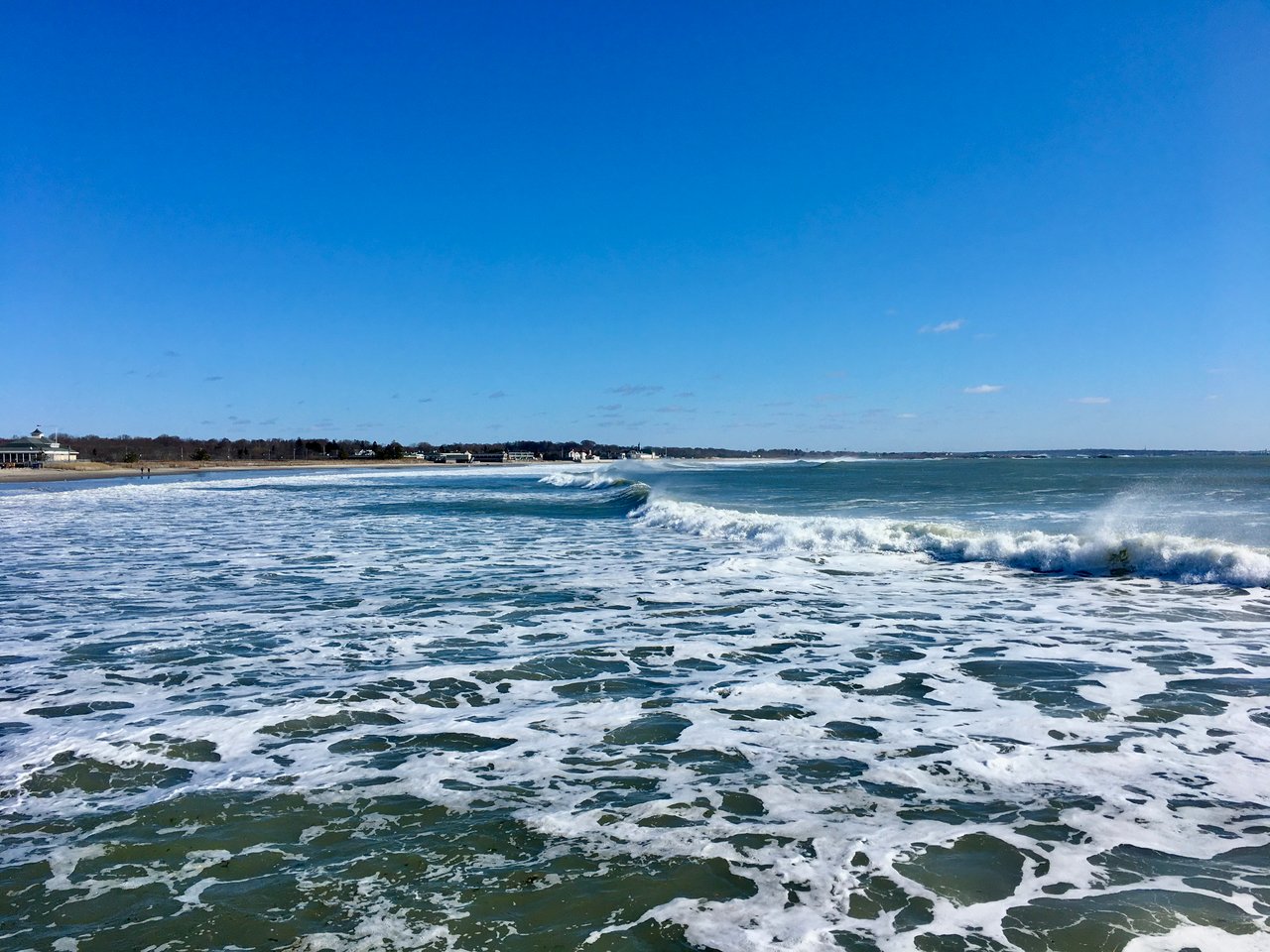
Narragansett feels more centralized around a clear beach identity. Narragansett Town Beach is the focal point, with parking, food, restrooms, first aid, and a designated surfing area. The town also highlights Scarborough, Roger Wheeler, and Salty Brine, with Roger Wheeler and Salty Brine known for gentler surf.
That gives Narragansett a more unified rhythm. The beach scene feels tied together, and the surf-town identity is easy to spot. On busy summer days, Narragansett Town Beach attendance can reach 5,000 people per day.
Westerly feels more spread out and more varied. Its shoreline experience is divided across Westerly Town Beach, Wuskenau, Misquamicut State Beach, and Watch Hill. Each has a different setting and pace, so the town reads less like one beach destination and more like a collection of distinct coastal areas.
If you want a town where the beach culture feels concentrated and surf-centered, Narragansett stands out. If you prefer a shoreline made up of several different beach environments, Westerly offers more variety. That difference shapes almost everything else, from traffic patterns to home search strategy.
Town layout shapes daily life
Narragansett is physically smaller and more compact. The town had a 2024 Census estimate of 14,407 residents, but local planning documents note that peak weekend population can climb to 30,000 to 35,000 due to beaches, events, and URI-related demand. That swing gives the town a strong seasonal pulse.
Westerly is larger, with a 2024 Census estimate of 23,288 residents. It is also organized around named shoreline districts and fire districts such as Watch Hill and Weekapaug. As a result, Westerly tends to feel less centralized and more layered.
For you as a buyer or seller, that matters. In Narragansett, the market conversation often starts with the town as a whole. In Westerly, the conversation often starts with the specific area, because one part of town can feel very different from another.
Narragansett has a stronger academic-year rhythm
Narragansett’s housing pattern is deeply shaped by seasonality and URI. According to a 2024 town planning document, about 31% of homes are rental units, and many are occupied by URI students during the academic year and weekly vacationers during the summer. The town’s rental tracking even separates academic, academic/summer, summer-only, yearly, and short-term rentals.
That makes Narragansett unusual in a very specific way. Its market is not just seasonal in the beach sense. It also has an academic-year cycle layered on top of summer demand.
If you are considering a purchase in Narragansett, that can influence everything from availability to neighborhood activity levels at different times of year. It can also affect how a property may be used, marketed, or valued within the local housing landscape.
Westerly has a broader housing mix
Westerly is seasonal too, but in a different pattern. A 2024 housing study shows a broader mix of home types, including 68.8% detached single-family homes, 9.9% two-unit buildings, 7.0% three- to four-unit buildings, and 4.5% buildings with 20 or more units. That creates a wider housing ladder than many buyers expect from a beach town.
The same study shows a meaningful second-home footprint. In 2022, Westerly had 2,094 seasonal or vacation homes, and 16.7% of all units were seasonal or vacation homes. About 70% of vacant units were devoted to seasonal or vacation use.
In practical terms, Westerly gives you more variation. You can find modest inland housing, village-based neighborhoods, and high-end coastal property within the same town. That range is one reason Westerly often appeals to buyers who want options across several price points and settings.
Price differences are real, but nuanced
If you only look at broad market numbers, Narragansett is more expensive overall. March 2026 Redfin data puts Narragansett’s median sale price at $863,000, compared with $448,000 in Westerly. HousingWorks RI also reported Narragansett’s 2024 single-family home price at $875,000.
But that does not mean every part of Westerly is less expensive. Westerly’s market is much more segmented. Its 2024 housing study places inland properties around $460,500, coastal properties around $1,012,500, and neighborhood medians from roughly $350,000 in the North End and Canal Street area to $2.35 million in Weekapaug, with Watch Hill above $2.16 million.
So the clean takeaway is this: Narragansett is generally higher in the broad market, while Westerly has a wider spread. If you are shopping top-tier coastal property, some Westerly submarkets can exceed Narragansett by a wide margin.
What buyers should watch in Narragansett
Narragansett can be a strong fit if you want a classic South County beach-town experience with a central surf identity. It may also appeal to you if being close to a concentrated summer scene is part of the draw. The town’s compact geography can make it easier to understand at a high level, even if inventory is tight.
That said, supply pressure is real. HousingWorks RI reports a shortage of 404 rental homes and 1,263 owner-occupied homes in Narragansett. The same work suggests the town is already fairly built out, with baseline buildout under current zoning estimated in a range of 578 to 1,598 units.
For buyers, that can translate into limited choices and strong competition for well-located homes. For sellers, it reinforces the value of pricing strategy and market positioning. In a constrained market, details matter.
What buyers should watch in Westerly
Westerly can be a better match if you want more neighborhood variety within one town. Watch Hill, Weekapaug, Misquamicut, and inland sections each offer a different setting, and that gives buyers more ways to define what coastal living means to them. Some want historic village character, some want broader beach access, and some want a quieter inland base with easier access to the shoreline.
The tradeoff is that Westerly requires a more targeted search. You are not just choosing the town. You are choosing a specific district, coastline, and price band.
That is especially important because the pricing spread is so wide. A buyer looking in inland Westerly is shopping in a very different market than a buyer focused on Watch Hill or Weekapaug.
Which town feels busier in summer?
Both towns are seasonal, but they feel busy for different reasons. In Narragansett, the summer surge is easy to see because the town is smaller, beach-centered, and closely tied to URI-related demand. Local documents note that weekend population can more than double during the busiest periods.
In Westerly, summer activity is distributed across several coastal districts. That can make the town feel less concentrated, even when demand is high. Instead of one central beach identity, you get multiple active shoreline zones with different rhythms.
If you prefer a town where summer energy is front and center, Narragansett may feel more immediate. If you prefer summer activity that is spread across several beach areas, Westerly may feel more flexible.
The simplest way to compare them
If you want the shortest useful answer, here it is. Narragansett is the more centralized surf-town market, with a strong overlap between academic-year rentals and summer demand. Westerly is the more multi-village shoreline market, with broader housing variety and luxury pockets that can reach far above the townwide median.
Neither town is better in every way. The right fit depends on whether you want one strong beach identity or a set of distinct coastal environments, whether you value a compact town layout or a layered district-by-district search, and whether your goals point toward broad-market access or highly specific luxury submarkets.
If you are weighing these two towns seriously, a local read on the submarkets matters. The headline numbers tell you a lot, but the real differences show up block by block, shoreline by shoreline, and season by season. For a private, informed conversation about Westerly, Watch Hill, and the surrounding coast, connect with Geb Masterson.
FAQs
Is Narragansett or Westerly more expensive overall?
- Narragansett is generally more expensive in the broad market, with a March 2026 median sale price of $863,000 versus $448,000 in Westerly, though Westerly’s top coastal enclaves can be much higher.
Which Rhode Island town is more surf-oriented, Narragansett or Westerly?
- Narragansett is more surf-oriented, centered on Narragansett Town Beach, which includes a designated surfing area and anchors the town’s beach identity.
Does Westerly feel more spread out than Narragansett?
- Yes. Westerly is organized around multiple shoreline districts such as Watch Hill, Weekapaug, Misquamicut, and Westerly Town Beach, so it feels more like several coastal markets within one town.
Why is Narragansett considered more seasonal?
- Narragansett’s seasonality is tied not only to summer beach demand but also to URI-related housing patterns, with many homes used for academic-year and summer rentals.
What should buyers know about Westerly home prices?
- Westerly has a wide price range, from lower inland neighborhood medians to coastal areas above $1 million, with Weekapaug and Watch Hill among the highest-priced submarkets.
Is housing supply tight in Narragansett?
- Yes. HousingWorks RI reports shortages of both rental and owner-occupied homes in Narragansett, which points to a constrained and competitive market.